
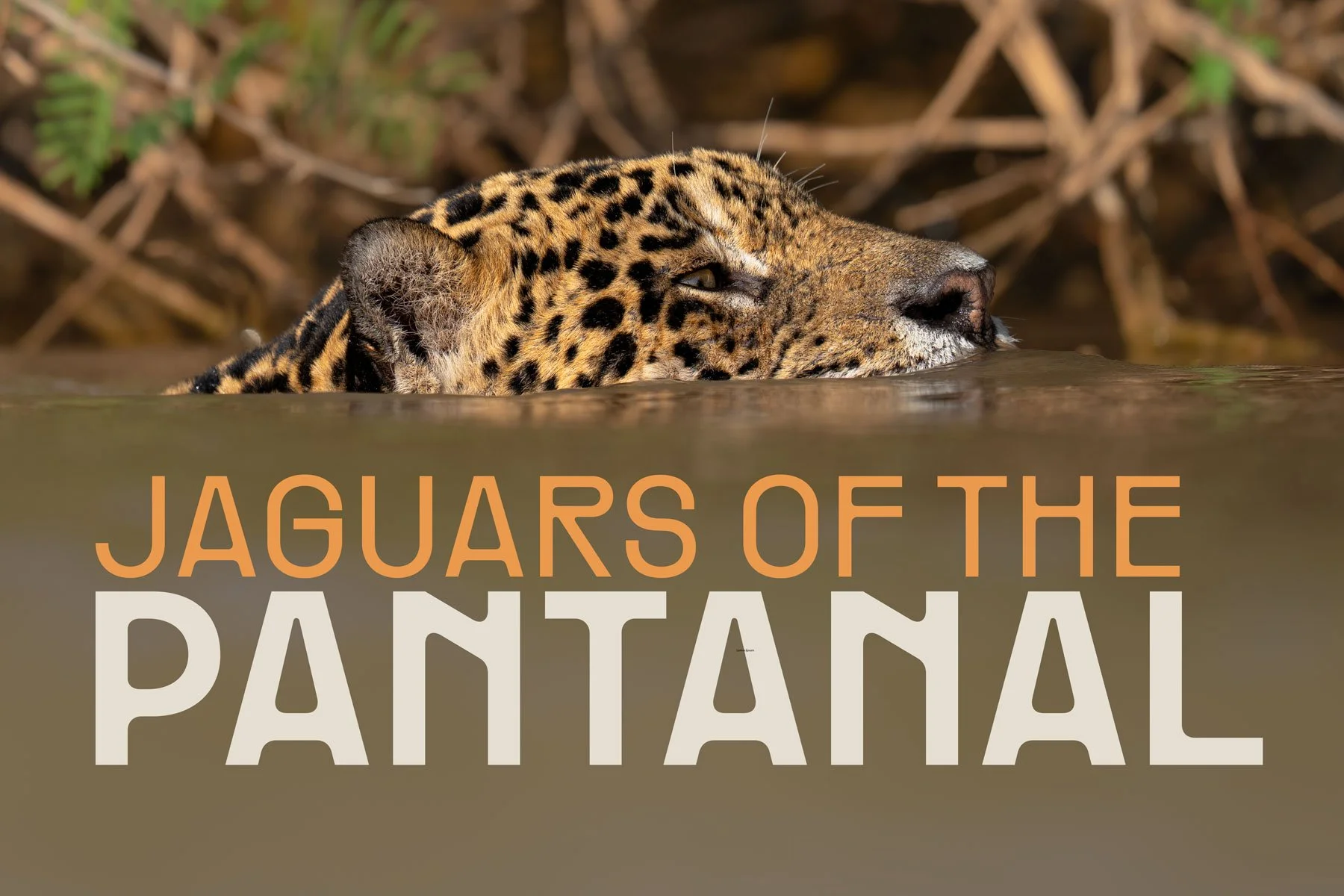
There is no place on earth quite like the North Pantanal in August. The world's largest tropical wetland at the peak of its dry season, rivers low, wildlife concentrated, jaguars moving along the banks in broad daylight. This is a 7-day river safari aboard a floating hotel moored at the entrance to the Meeting of the Waters State Park, Porto Jofre. Every day begins before sunrise and ends when the light runs out. In between, you are on the water, navigating the Cuiabá River and its tributaries, in the territory of the highest concentration of wild jaguars anywhere on the planet.
Jaguars are the focus. But the Pantanal does not deal in single species. Giant otters, tapirs, giant anteaters, caimans, capybaras, anacondas, hyacinth macaws, jabiru storks, over 600 bird species. The river is alive in every direction, all day long. The boat hotel format changes everything about how you experience this place. You are not commuting to the wildlife and back. You are based inside it, moving with it, available to it from first light to last.
This trip is for photographers at every level, nature lovers, and anyone drawn to one of the most extraordinary wildlife spectacles in the Americas. No prior experience required. Just a genuine desire to be out there. If that resonates, I'd love to have you along.
Price: US $4,900 4,600 (twin-shared room)
Single supplement: US $1,100 (if available)
6 guests (per group)
Group 1: August 7 — 13, 2026 (1 space left!)
Group 2: August 14 — 20, 2026 (sold out!)
Your tour leader

Andres Novales Wildlife Photographer
Jaguars have been my biggest obsession for quite a while now. I've tracked them across the Pantanal, Bolivia, the Amazon, and the forests of Central America, and every encounter still stops me in my tracks. There is nothing quite like a jaguar moving along a riverbank in full daylight, completely indifferent to your presence.
Porto Jofre is where that happens more reliably than anywhere else on earth. The combination of habitat, prey density and the behavioral patterns of the jaguars here creates conditions that simply don't exist in the same way anywhere else in their range. That's why I keep coming back, and that's why I built this trip around it.
I guide small groups because I believe that's the only way to do this properly. Fewer people means more time at sightings, more flexibility on the water, and a more genuine connection to what's unfolding around you. I won't tell you what you'll see out there. The river decides that. What I can tell you is that we'll be fully present in one of the most extraordinary wildlife environments in the Americas, every single day.


For photographers. And everyone else.
This trip is for people who are genuinely drawn to wild places and the creatures that live in them. Photographers at every level, nature lovers, first-timers and seasoned wildlife travelers alike. What everyone will share is a real appetite for field time, for long days on the water, and for the kind of focused, unhurried searching that serious wildlife encounters require.
No prior experience required. You do not need to have been on safari before, and you do not need professional camera equipment. Just curiosity, patience, and a genuine desire to be out there.
Itinerary
-
Pickup in Cuiabá: Once in Cuiabá, you’ll be greeted by your guide and transferred directly to Porto Jofre. The scenic 5-hour drive takes us along the Transpantaneira Road, a wildlife-rich stretch where you’ll see caimans, capybaras, and various species of birds along the way. One in Porto Jofre we will embark on a 25 minute boat ride to our hotel.
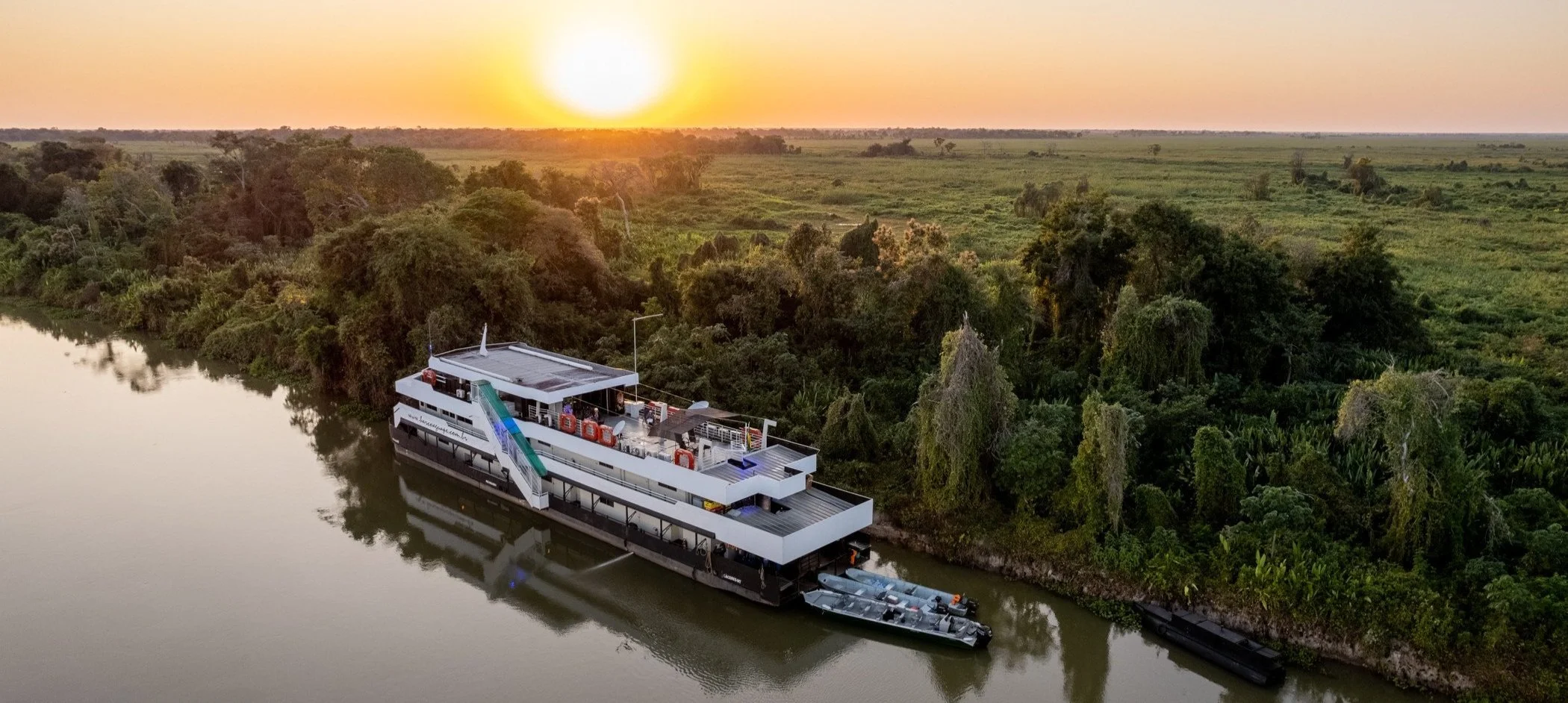
Check-In at the Boat Hotel: Our home for the tour will be a comfortable boat hotel, anchored at the limit of the state park. This floating accommodation offers air-conditioned rooms, WiFi, cozy communal areas, amazing food and the advantage of being right on the water, giving us a head start on our river safaris.
First jaguar search: After lunch, we will embark on our first afternoon jaguar search along the river. We’ll explore until sunset, then return to the boat hotel to relax and enjoy dinner.
-
Morning Safaris: We’ll set out early each morning, navigating the Cuiabá River and its tributaries, including the Tres Irmãos River, where jaguars frequently patrol the banks. Our boat hotel allows us to get out on the water earlier than other tours, ensuring we are in prime position to witness jaguars during their most active periods.
We will search for jaguars hunting caimans or capybaras, swimming across the river, or resting on the banks. This place is world-renowned for its frequent and often close encounters with these big cats. We’ll also have opportunities to observe other wildlife, such as giant otters, capybaras, and an abundance of birdlife, including kingfishers, herons, and Jabiru storks.
Afternoon Safaris: After lunch, we’ll head back out on the river. The late afternoon light is perfect for photography, a prime time for wildlife activity. Our guides are experts in spotting jaguars and know the best spots to increase our chances of sightings. Each day, we’ll explore different areas of the river system to find new opportunities and maximize our wildlife encounters.
-
Final Safari: On our last morning, we’ll enjoy one final boat safari, capturing any last moments with jaguars or other species we may have missed. After our safari, we’ll return to the boat hotel for lunch before making our way back to Cuiabá for your onward journey home.
The Pantanal
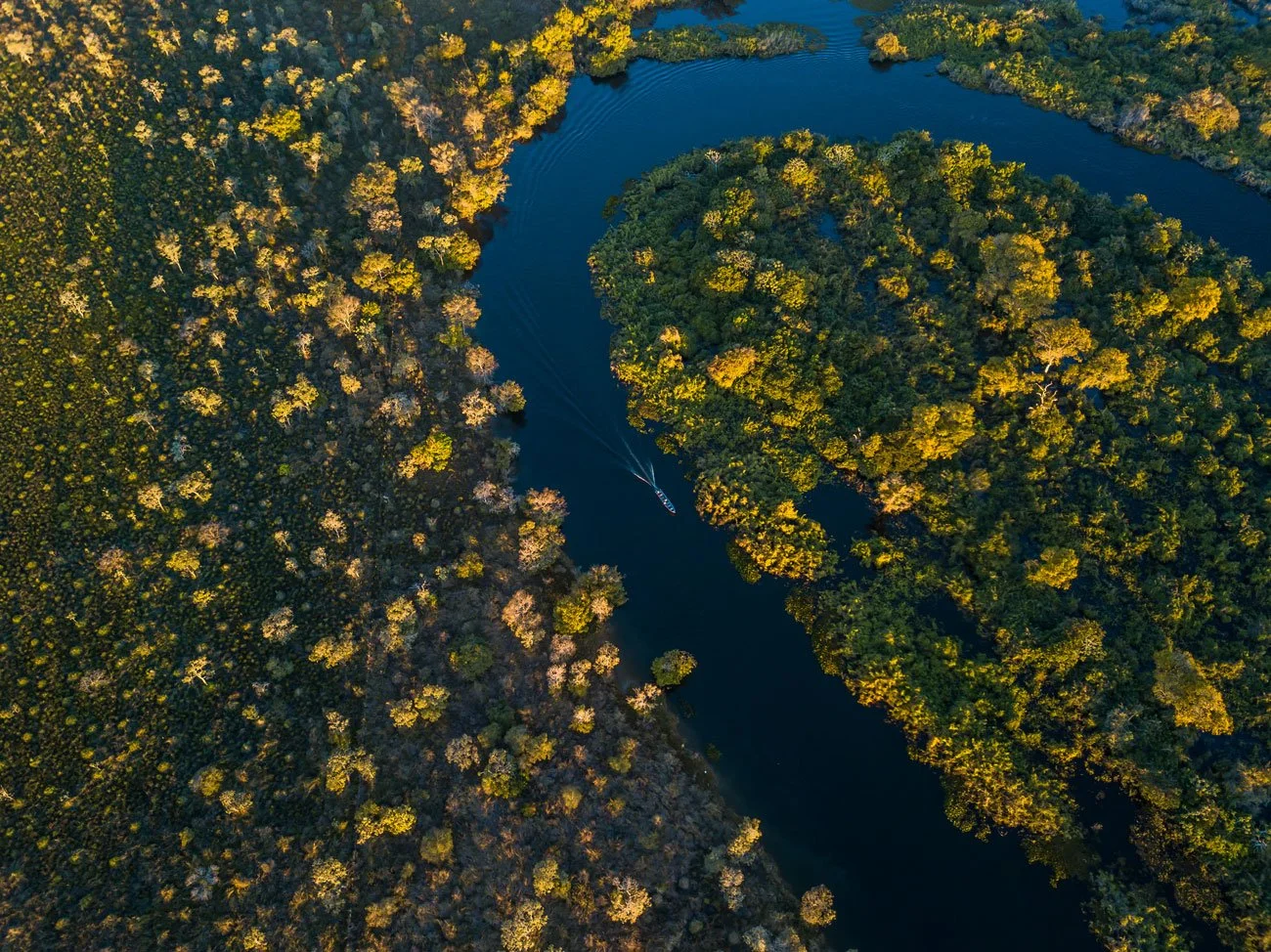
The Pantanal is the largest tropical wetland on earth. Larger than France, straddling the borders of Brazil, Bolivia and Paraguay, it is a place of staggering biological diversity, a vast seasonal floodplain where the annual rise and fall of water defines everything: what lives here, where it gathers, and when it becomes visible.
August sits at the peak of the dry season. Water levels are at their lowest, vegetation is sparse, and the wildlife that spread across the floodplain during the wet months has concentrated along the remaining rivers and lagoons. Visibility is exceptional. The animals are where the water is, and the water is where you are.
This is not a jungle. The Pantanal is open, its horizons wide, its riverbanks exposed. It is a landscape built for watching.
The Transpantaneira
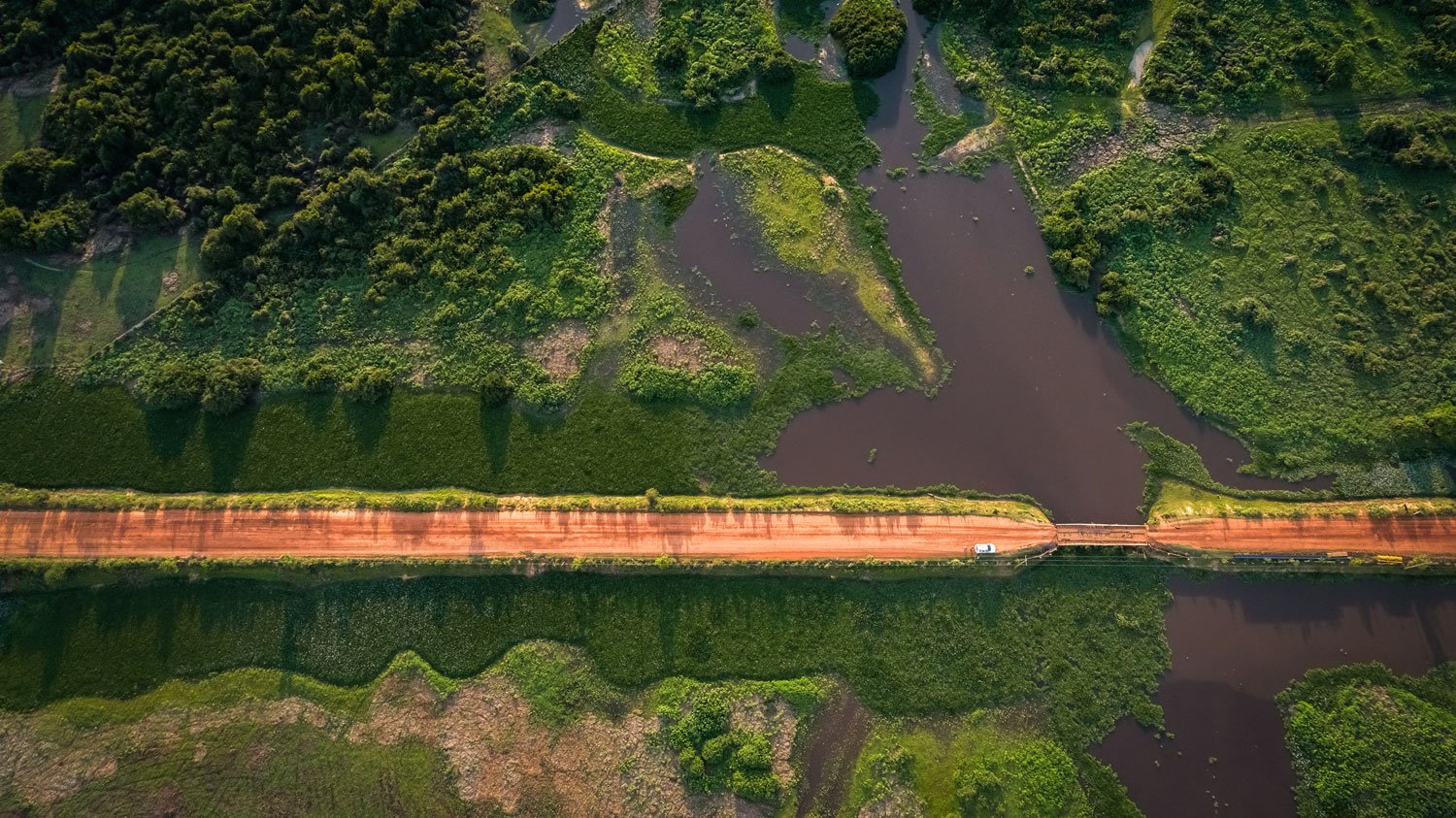
The trip to Porto Jofre begins in Cuiabá, the capital of Mato Grosso state. From there, the Transpantaneira Road runs 150 kilometers south into the heart of the Pantanal, across 122 wooden bridges, through cattle ranches and flooded grasslands, all the way to the river's edge at Porto Jofre. The drive takes around five hours and it is not a transfer. It is the beginning of the expedition.
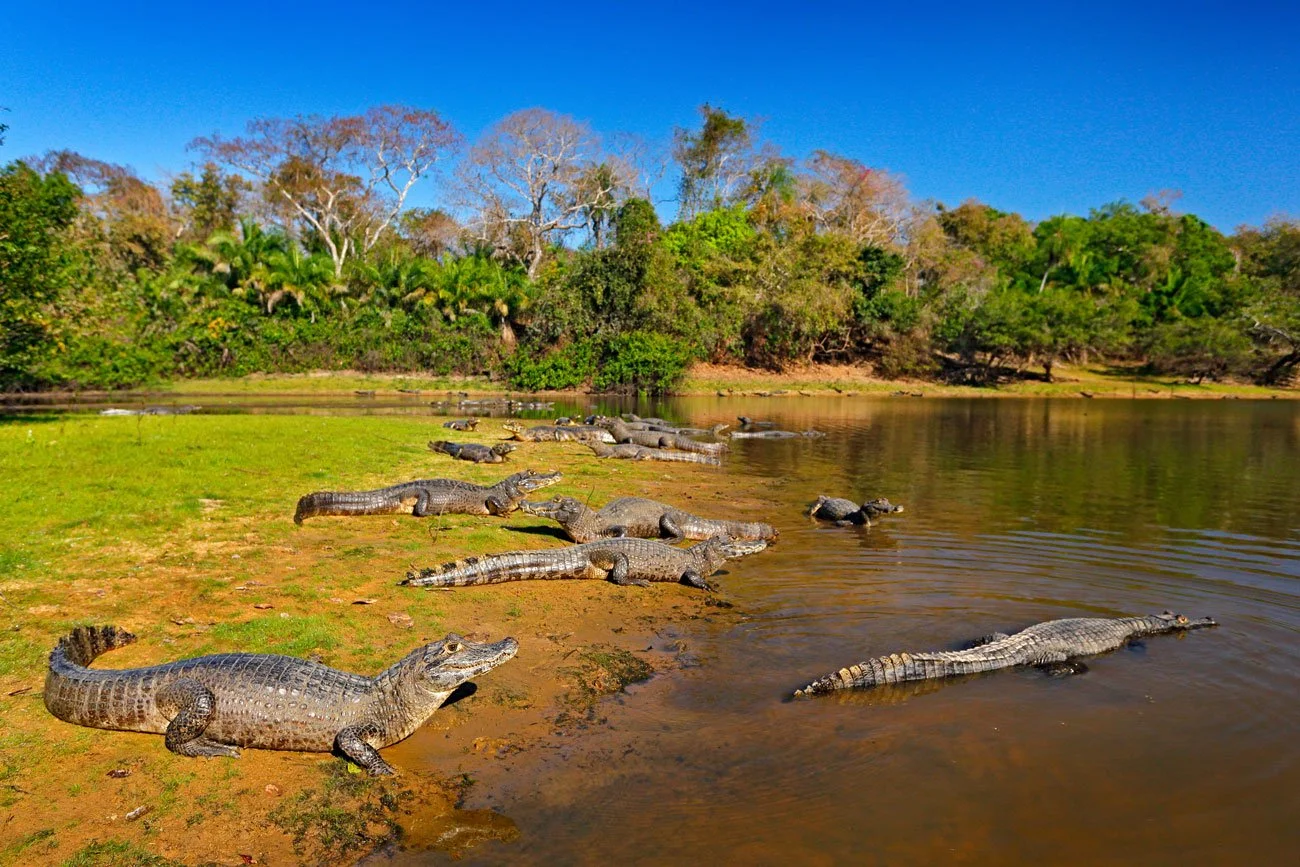
The Transpantaneira is one of the great wildlife roads in the Americas. Caimans line the verges in numbers that take a while to get used to. Capybaras move in herds across the grasslands. Giant anteaters cross the road with complete indifference. Capped herons, roseate spoonbills, jabiru storks and dozens of other species are visible from the vehicle without ever needing to stop. By the time you reach Porto Jofre, the Pantanal has already introduced itself.
The return journey at the end of the trip follows the same road, and it rarely looks the same twice. August light on the wetlands in the late afternoon is something worth paying attention to all the way back to Cuiabá.
Porto Jofre
Porto Jofre sits at the southern end of the Transpantaneira Road, at the point where the Cuiabá River meets the Meeting of the Waters State Park. It is the end of the road in every sense, the last settlement before the wilderness takes over completely, and the best place on earth to look for jaguars.
The jaguars here are different from those found elsewhere in their range. In most of South America, jaguars are nocturnal, secretive and rarely seen. Here, with abundant prey and minimal pressure, they have become largely diurnal. They move along the riverbanks in daylight, hunt in open water, rest on exposed beaches, and tolerate the presence of boats at close range. It is a behavioral anomaly that makes Porto Jofre extraordinary, and it is why wildlife photographers and naturalists travel from every corner of the world to be here.
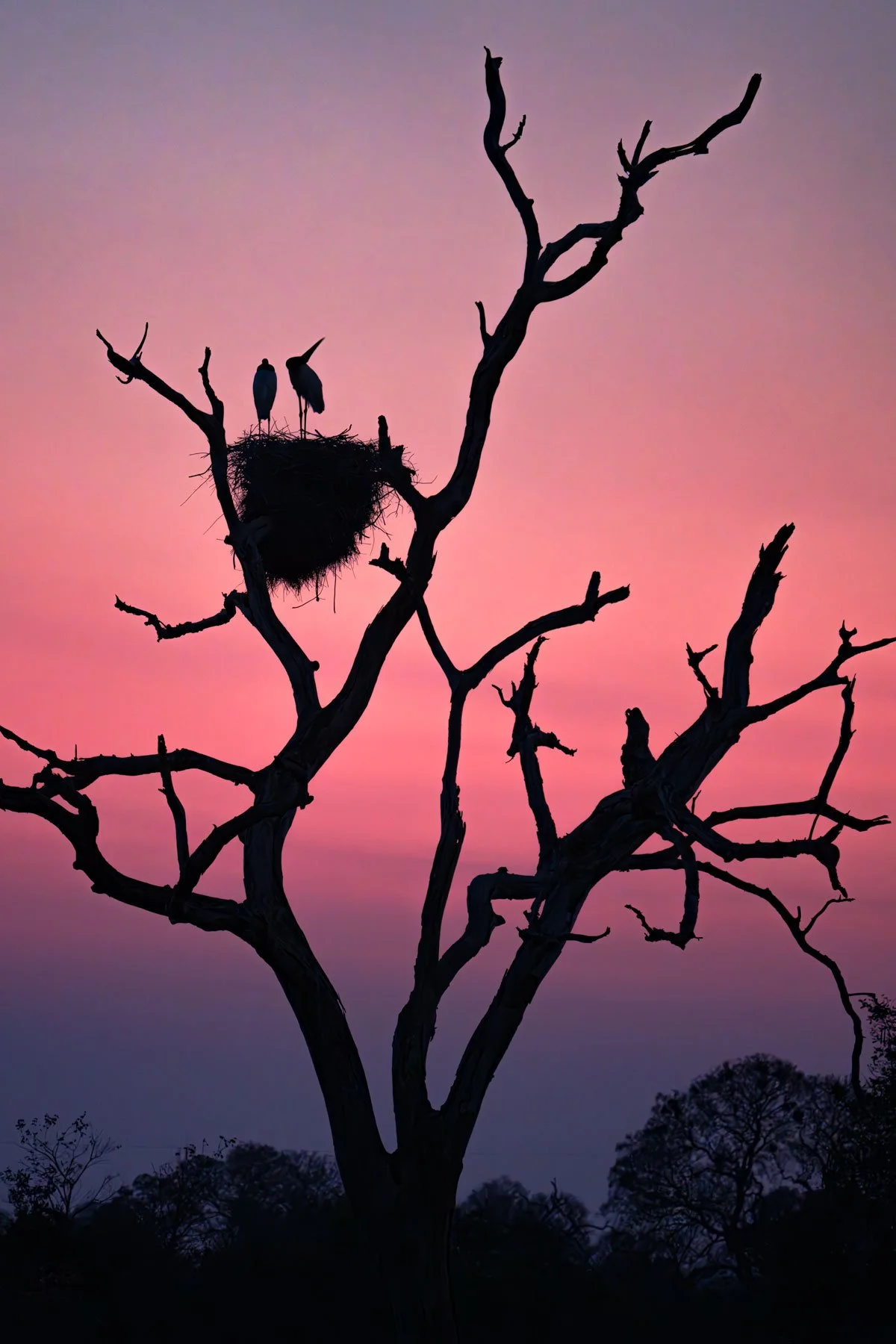
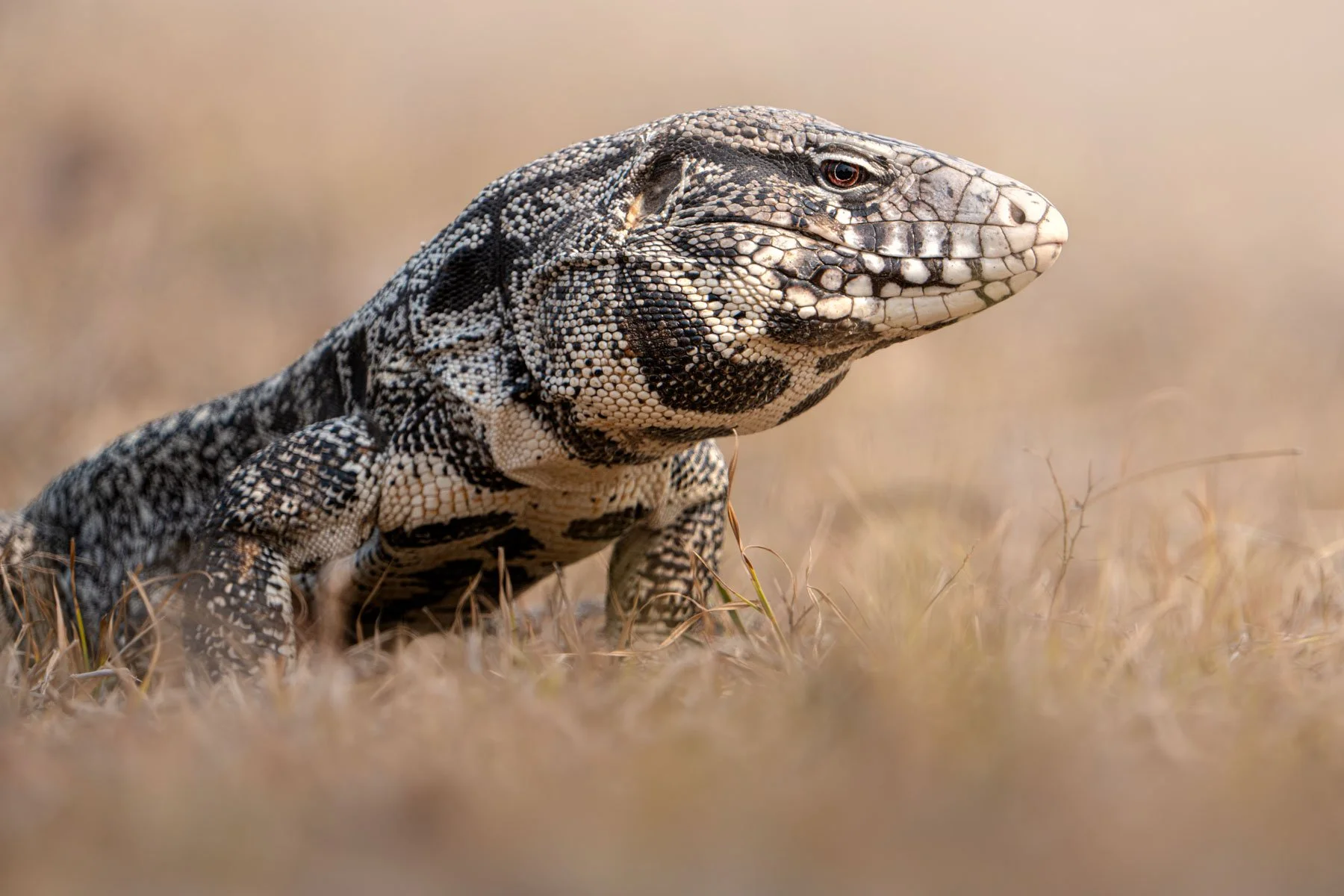
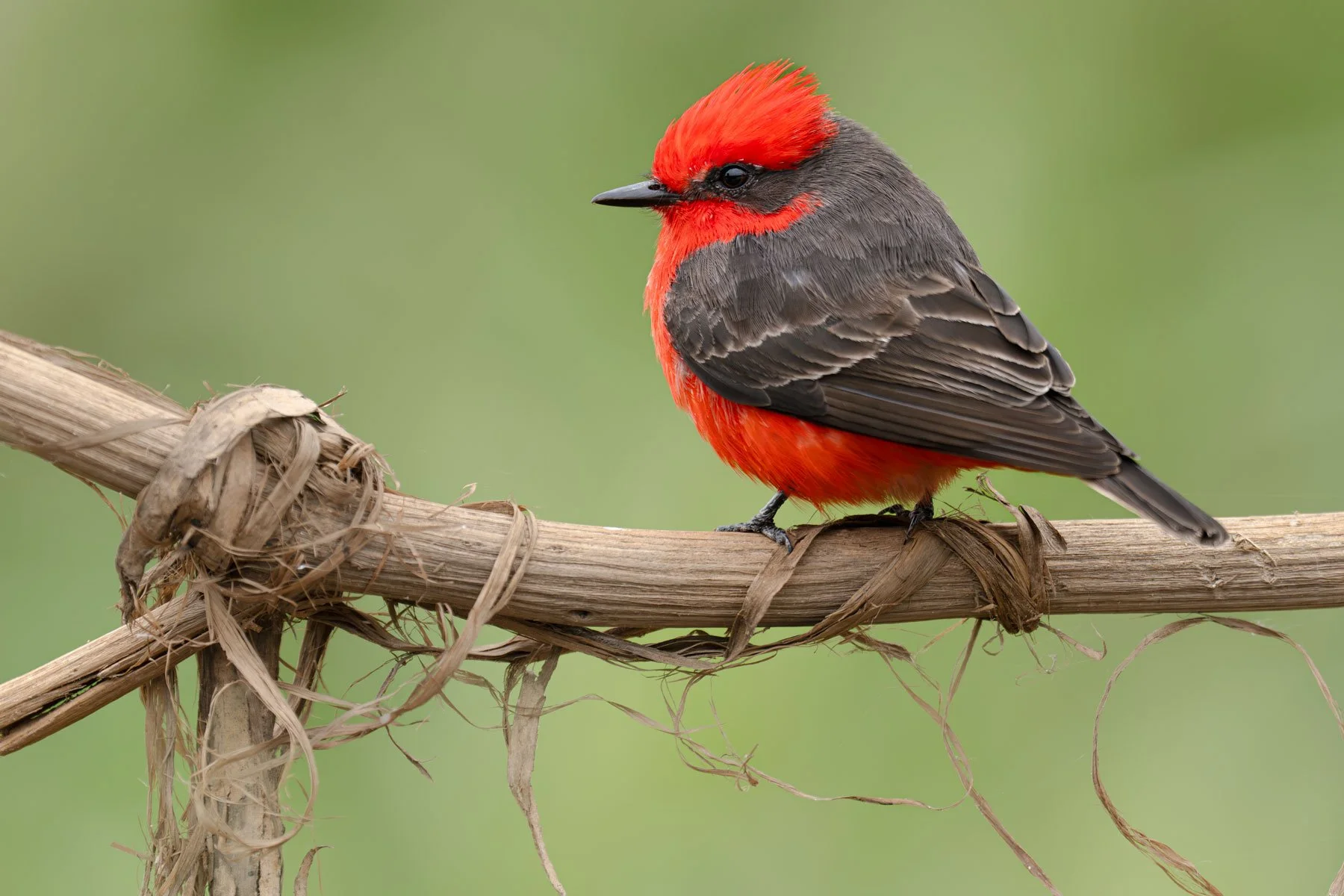
Beyond jaguars, the river system around Porto Jofre supports a density of wildlife that is difficult to overstate. Giant otters fishing in family groups, tapirs crossing the shallows, caimans lining every sandbank, capybaras in herds along the water's edge. Anacondas in the vegetation. Hyacinth macaws, the largest parrot on earth, moving between the palms. Jabiru storks nesting through August and September, their colonies visible from the boat. Over 600 bird species recorded in the area, among them kingfishers, herons, toucans, and the extraordinary sunbittern.
The river is the road. Every sighting happens from the water, and the water is everywhere.


The Pantanal in August offers some of the most extraordinary conditions for wildlife photography in the Americas. Clear skies, golden light on the river at both ends of the day, sparse dry season vegetation that opens up sight lines, and animals that have little reason to move away from the water. The environment works in your favor.
The safari boat format is particularly well suited to photography. You are low on the water, at eye level with the riverbanks, with unobstructed views in every direction. The boats move quietly and stop cleanly. When something is worth photographing, you stay with it.
Whether you are shooting with a professional telephoto setup or a smartphone, the opportunities this environment creates are real. The jaguars of Porto Jofre are among the most photographable large predators on earth, not because they pose, but because they simply go about their lives in open daylight without concern for your presence. That behavioral openness is what makes this place exceptional for photography, and it is not something you can manufacture anywhere else.
And if photography is not your primary interest, none of this diminishes what the Pantanal offers. Watching a jaguar hunt a caiman in the shallows, a family of giant otters working a channel, a jabiru stork colony at full noise, these are experiences that go well beyond anything a camera can hold. The Pantanal rewards presence as much as it rewards preparation.
Life on the River
The boat hotel is moored at Porto Jofre, at the entrance to the Meeting of the Waters State Park, right where the Cuiabá River opens into one of the most wildlife-rich waterways in the Pantanal. It is your home for the week and your base of operations on the river.
Accommodation is in air-conditioned rooms with en-suite bathrooms and hot showers. The boat is comfortable, well run and well provisioned, with everything you need and nothing that gets in the way. Meals are prepared daily by the on-board crew and taken seriously. The food is great, locally sourced and plentiful.
The deck is where the days begin and end. Morning coffee before the safari boats leave, evenings with the river always present around you. At night, with no light pollution and the sounds of the Pantanal surrounding you, the boat hotel feels less like accommodation and more like a listening post at the edge of the wild.
WiFi is available on board, though connectivity in this part of the Pantanal can be limited. Most people find that is not the problem they expected it to be.
A Day on the Water
Days begin before sunrise. The river in those first minutes has a quality that is hard to describe, the light barely breaking, the mist still sitting on the water, the sounds of the Pantanal shifting from night to morning. You are already out there when it happens.
The morning session is the longest of the day. The safari boats move quietly through the Cuiabá River and its tributaries, navigating the same routes that jaguars patrol, stopping when something appears and staying as long as it warrants. By midday you are back on the boat hotel, where lunch is waiting.
The heat builds through the early afternoon and the river slows down with it. This is time to rest, review images, sit on the deck and watch what passes. The boat hotel sits in the middle of the action and at any moment something could be happening on the banks around you.
The afternoon session goes out again as the light softens and the temperature drops. This is prime photography time in the Pantanal. The golden hour here, low over the river, with the warm tones of the dry season vegetation and the water catching the last of the day, is extraordinary.
Evenings end on deck. Dinner, the sounds of the river at night, the sky above the Pantanal unobstructed by anything.


Tour Inclusions
International and domestic flights to and from Cuiabá
Extra hotel nights in Cuiabá
Alcoholic drinks
Travel and medical insurance
Tips and gratuities
Items of a personal nature
All accommodation (6 nights aboard the boat hotel)
All meals on board
Non-alcoholic drinks throughout
Morning and afternoon river safaris daily
Ground transportation Cuiabá to Porto Jofre and back
All local guides and drivers
All park and access fees
FAQs
-
Not at all. This is a set departure trip, which means the group of up to six guests is made up of individuals and couples who have each booked independently. You do not need to come with friends or organize a group of your own. Solo travelers are very welcome. The only thing to keep in mind is that accommodation is in shared rooms with two individual beds, so solo travelers will be paired with another guest of the same gender, unless the single supplement is purchased. Everyone joins as individuals and the group forms naturally around a shared passion for wildlife. That dynamic, in our experience, tends to produce some of the best travel companions you'll find anywhere.
-
Absolutely. No prior wildlife travel experience is required. The days are structured, the boat hotel is comfortable, and the small group size means there is always space to ask questions and learn as you go. If you are curious about the natural world and willing to spend long hours on the water, you will get everything this trip has to offer.
-
Not at all. This trip is as rewarding for someone with no camera as it is for a seasoned wildlife photographer. If you do want to shoot, the river format and small group size give you real opportunities in the field. If you don't, the experience speaks entirely for itself.
-
For wildlife photography on the river, I recommend bringing two lenses if possible: a long telephoto for jaguars and distant subjects, and a shorter zoom for closer encounters, birds in flight and wider environmental shots. For the long end, a fixed 400mm, 500mm or 600mm, or a long zoom such as a 100-400mm, 200-600mm or 400-800mm will give you the reach you need. For the shorter end, a 70-200mm is ideal. Having both options available means you are covered whatever the situation presents, and on a river where distances and subjects change constantly, that flexibility matters. A full gear and packing list will be sent to all confirmed guests ahead of departure.
-
We recommend arriving in Cuiabá at least one day before the tour begins. On departure day we start early, with pickup at 6am, so arriving the night before is essential. On the final day of the trip we return to Cuiabá around 8 to 9pm. We strongly recommend planning to stay that night in Cuiabá and booking your onward or international flights for the following morning.
-
Yellow fever vaccination is strongly recommended as it may be required depending on your country of origin. Malaria risk in the tourist areas of the Pantanal is considered low but we recommend consulting your doctor or a travel health clinic well in advance of departure.
-
Visa requirements for Brazil vary by nationality and have changed in recent years, with Brazil now requiring an electronic visa for some countries including the United States. We recommend checking the current entry requirements for your specific passport well in advance of travel, as these can change. Each guest is responsible for verifying and arranging their own entry documentation.
Still have questions before booking?
That's completely normal, these are significant trips and we want you to feel confident before committing. Send us a message and we'll get back to you as soon as possible. If it's easier, we can also jump on a quick call to talk through any details.