
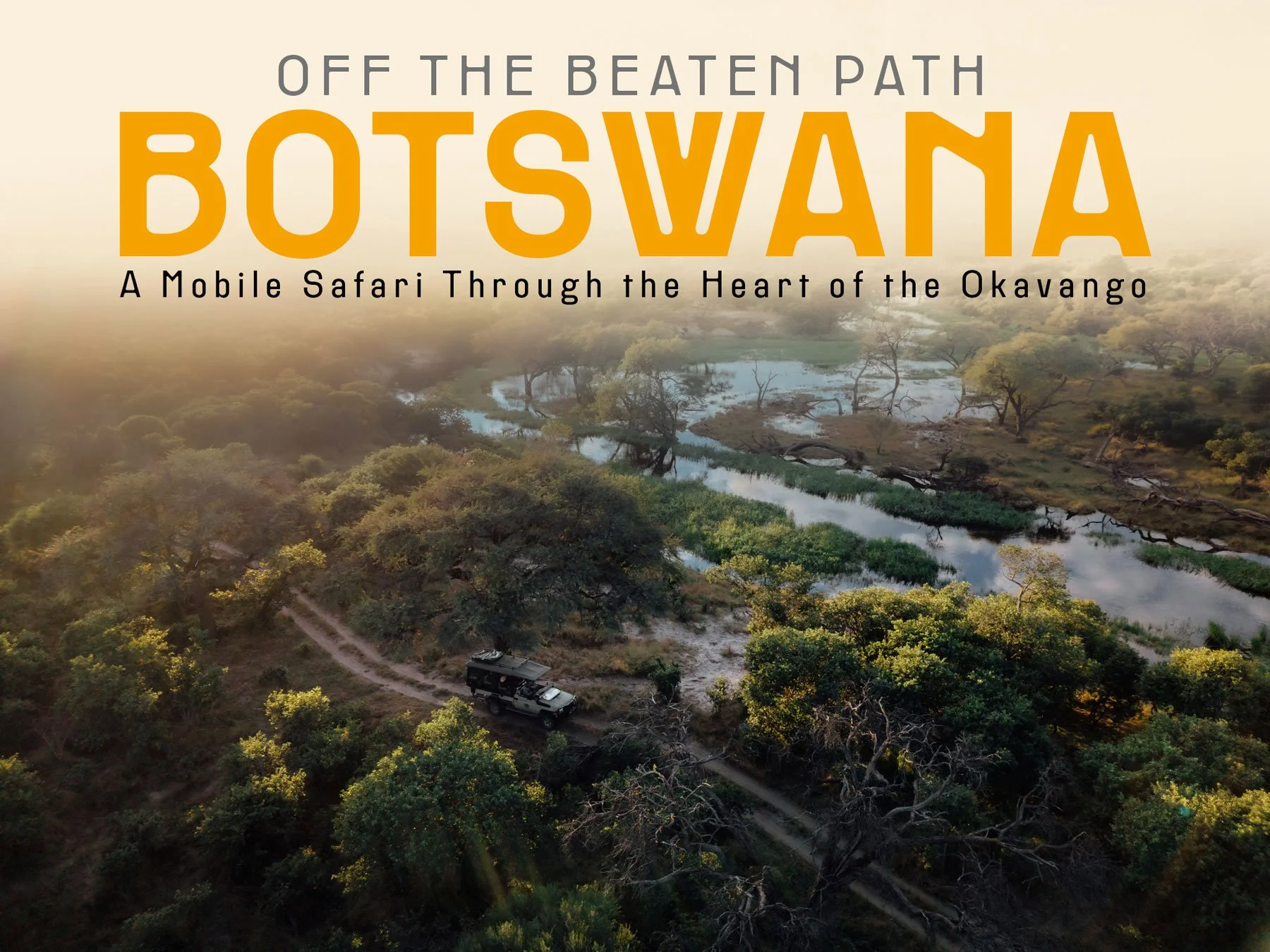
This is one of those trips change the way you see the world. A 9-day mobile safari experience through three of the most extraordinary wilderness areas in Africa: Moremi, Khwai, and Savute. A small group. A camp that moves with the wildlife. Long hours in the field, because that's where you want to be.
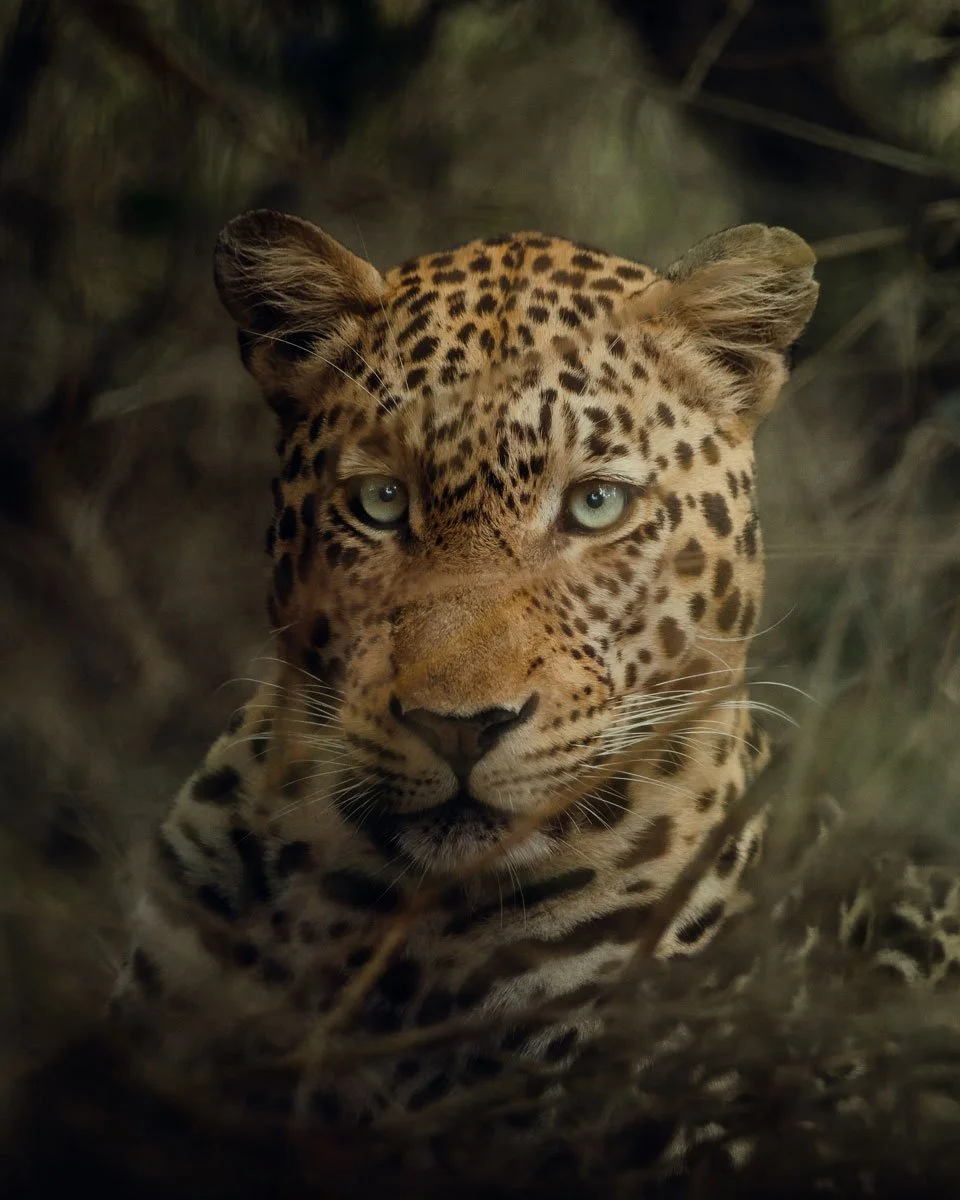
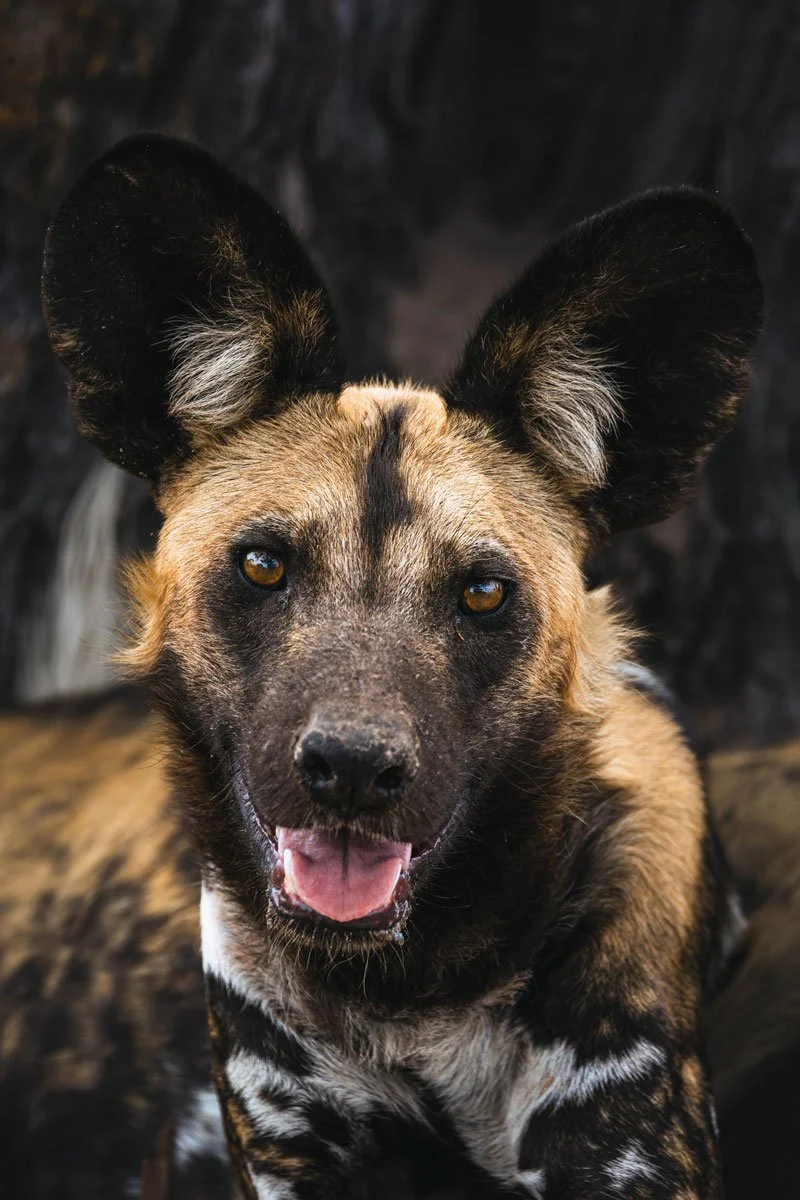
These are places where wild dog packs roam, where leopards work the riverine forest at dawn, where elephant bulls come down to water and the whole bush goes quiet. Our mobile camp places you right in the heart of each wilderness area, not on the edges of it. The daily schedule is built entirely around maximizing time in the field. If the morning drive leads somewhere worth staying for, we stay. There is no rush to be back for anything.
This trip is for photographers at every level, nature lovers, and anyone who feels most alive outdoors. People who'd rather earn an experience than be handed one. If that resonates, I'd love to have you along.
Price: US $4,990 (double occupancy)
Group size: 6 guests
April 26 - May 4, 2027: 3 spots available!

Andres Novales Wildlife Photographer
I've spent a long time in the field across the world, and the experiences that have stayed with me most are always the ones that took me somewhere genuinely wild. Off the beaten path, deep in a wilderness area, far from the obvious circuits. That's where I feel most at home, and that's the kind of experience I've always wanted to share.
This trip is my attempt to do exactly that. Three areas in northern Botswana that I believe offer some of the most extraordinary wildlife experiences on the continent, accessed through a mobile camp format that puts you inside the wilderness rather than at its edge.
I guide small groups because I believe that's the only way to do this properly. Fewer people means more time at sightings, more flexibility in the field, and a more genuine connection to what's happening around you. Every person on this trip shapes the experience.
Who is this for?
This trip is for people who feel most alive outdoors. Photographers at every level, nature lovers, first-timers and seasoned wildlife travelers alike. What everyone will share is a genuine appetite for the field, for early mornings, long drives, and the kind of days that are hard to put into words afterward.
This is a genuine bush expedition. You'll sleep in canvas tents in the middle of some of Africa's wildest terrain, wake up to the sounds of the wilderness and spend your days fully immersed in it. No resort, no fixed programme, no buffer between you and the experience.
No prior safari experience required. Just curiosity, a sense of adventure, and comfort with the idea that out here, nature sets the terms.
The Experience
A mobile safari is exactly what it sounds like.
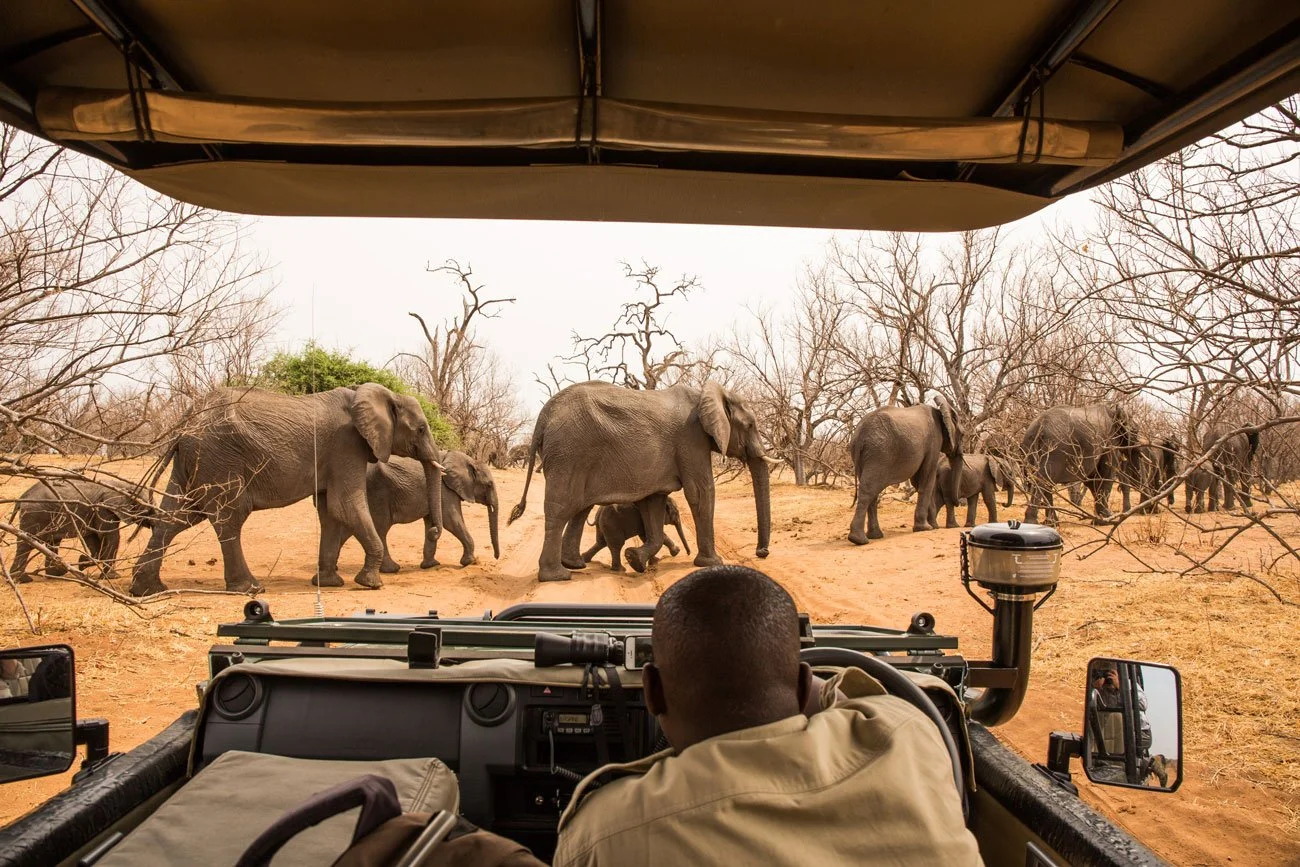
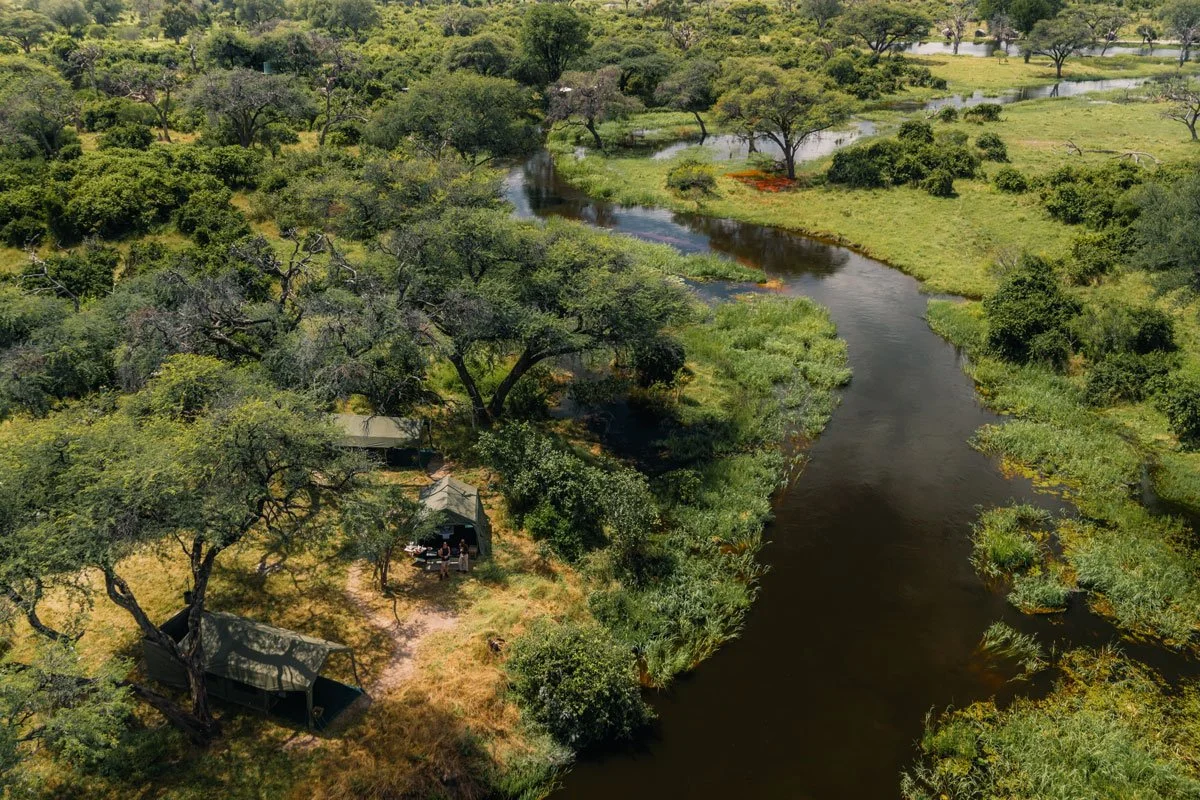
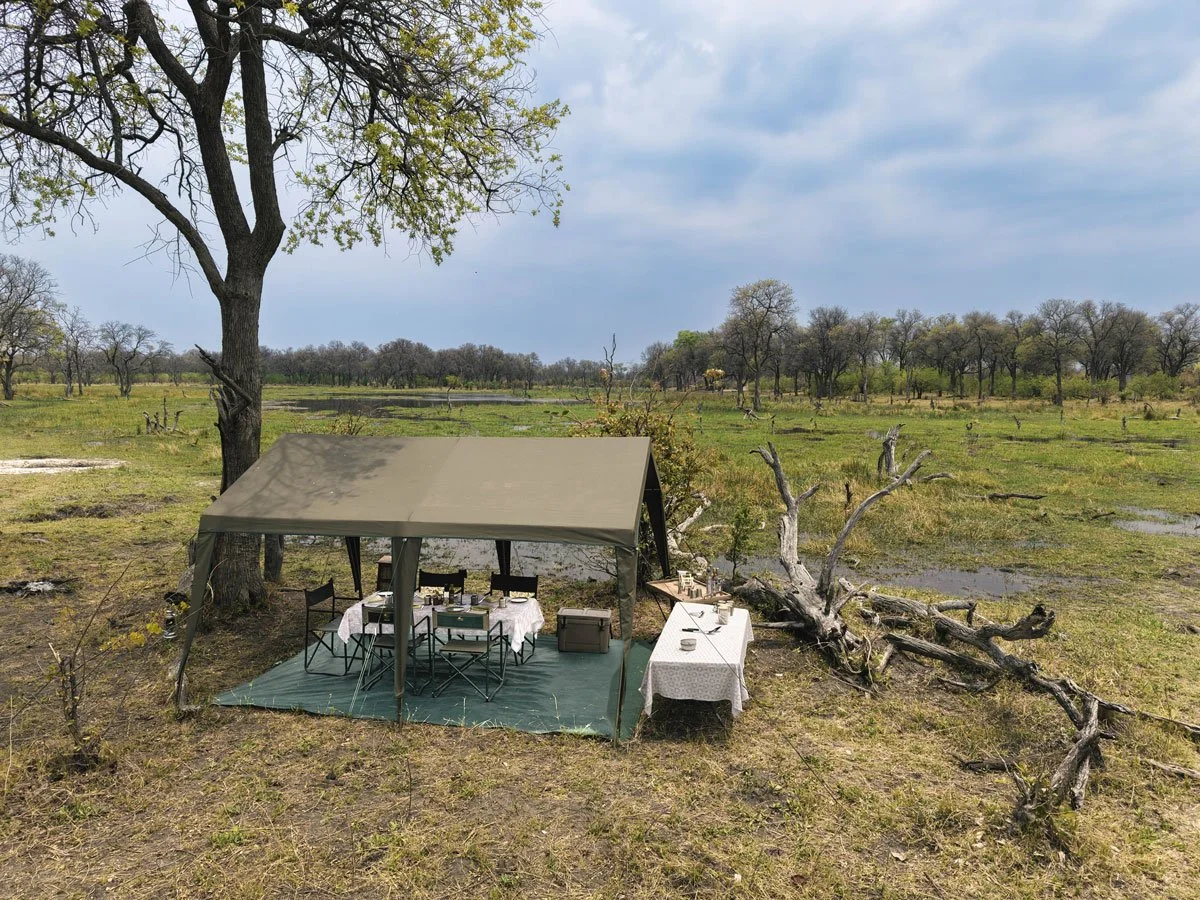
Instead of a permanent lodge with fixed infrastructure, the camp is set up in carefully selected locations within each wilderness area, positioned where the wildlife is and where the experience is most alive. Canvas tents, a communal dining area, a campfire. Everything that matters, nothing that doesn't.
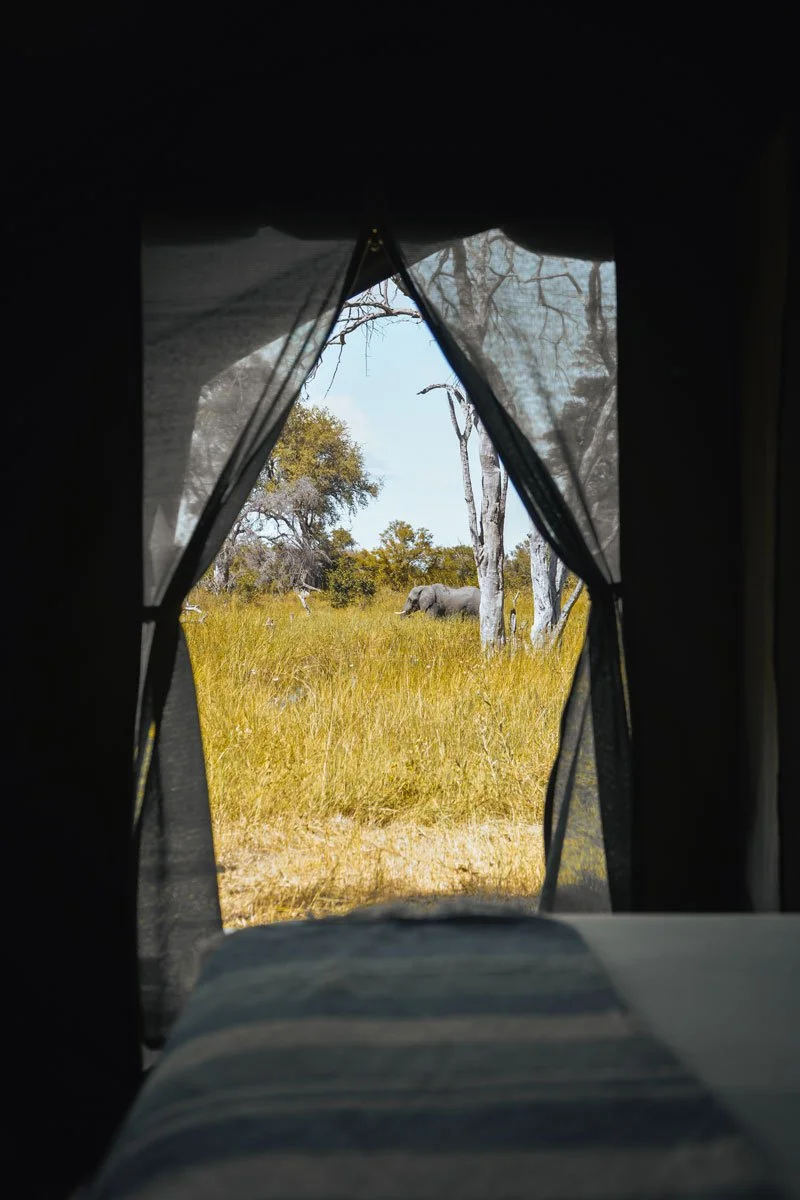
The mobile format changes the nature of the experience fundamentally. You're not driving to the wilderness and back each day. You're living inside it. The sounds you fall asleep to are real. The distance between your tent and the African bush is measured in feet, not miles.
Each camp is run by a dedicated crew who handle the logistics so that your time is spent entirely in the field. Meals are prepared fresh, the camp is managed professionally, and the operation runs with the kind of quiet efficiency that only becomes visible when something goes well.
This is not roughing it for the sake of it. The tents are spacious and comfortable, the food is excellent, and the experience is taken seriously from start to finish. But the comfort is a means to an end, not the point. The point is being out there.
Itinerary
-
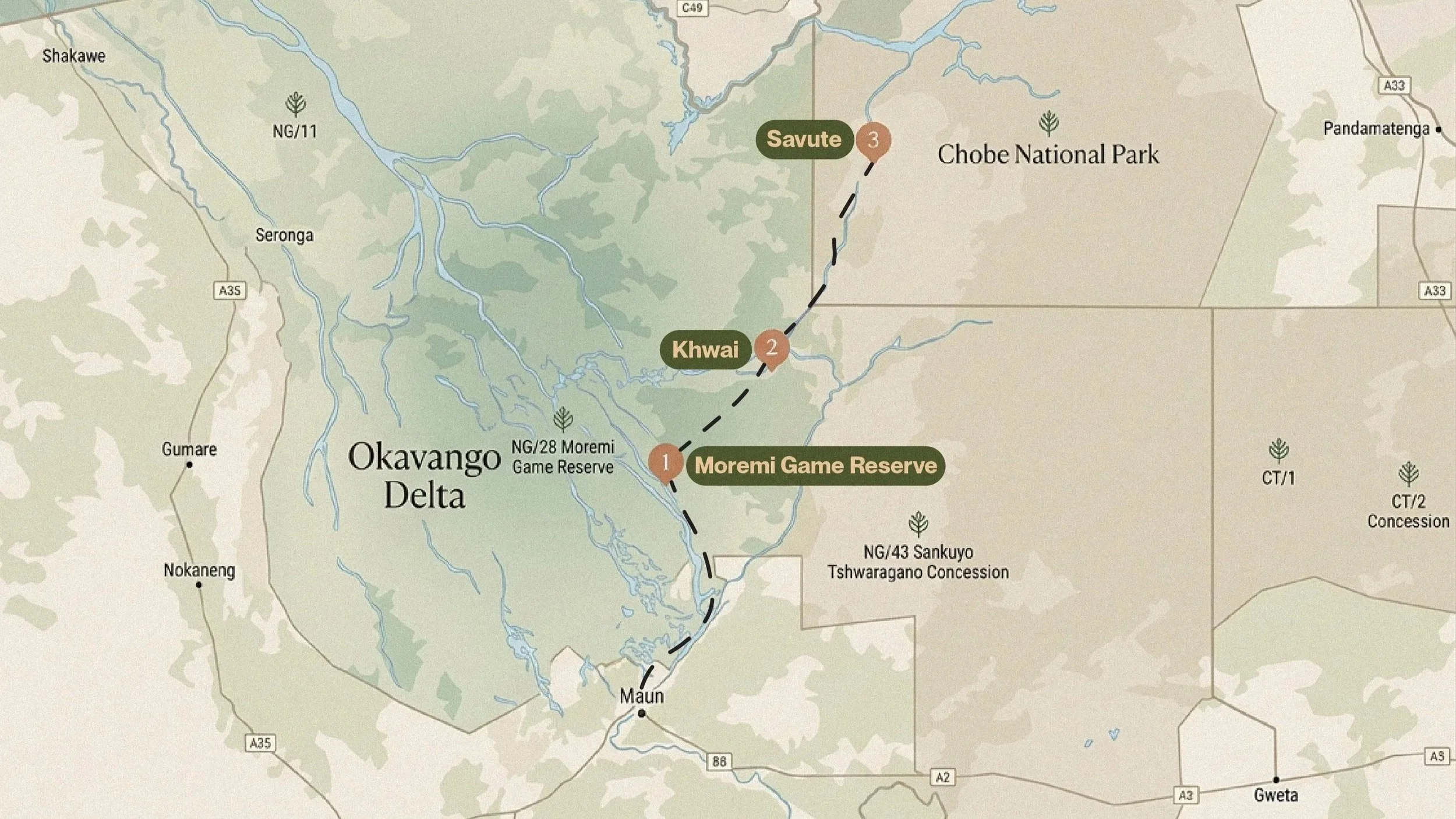
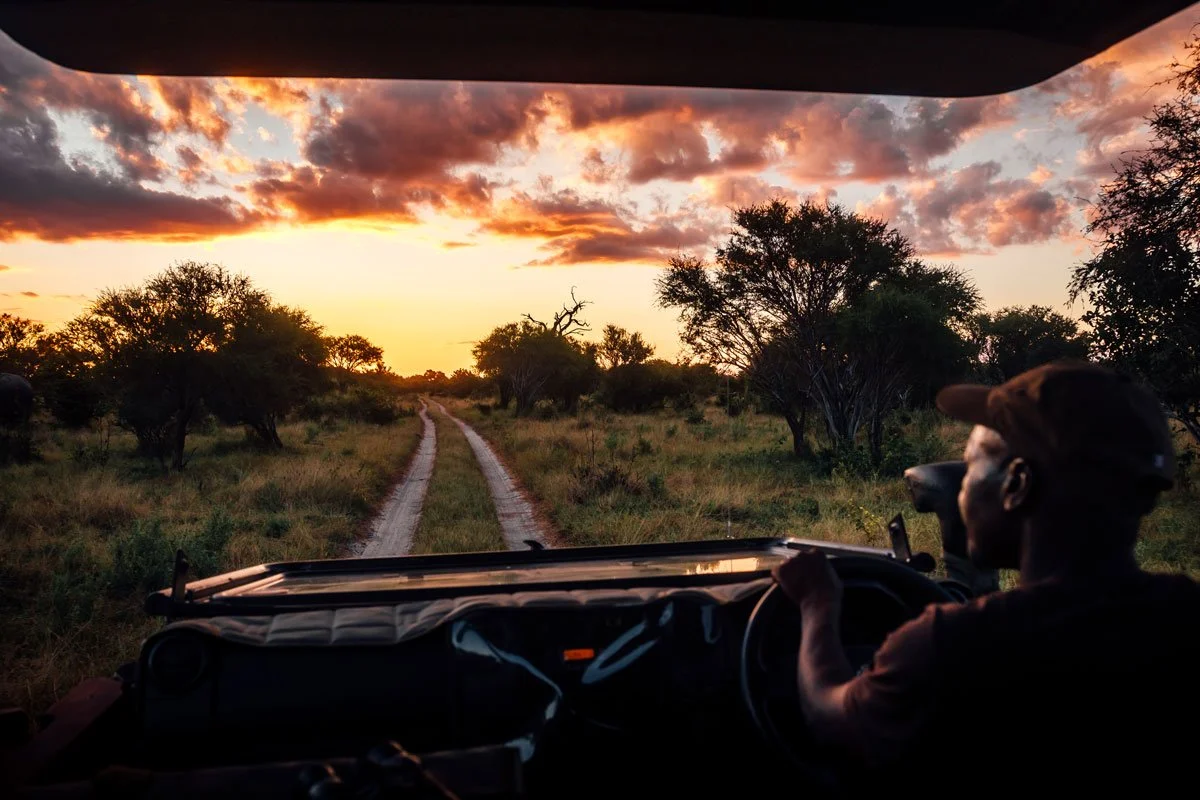
The trip begins in Maun, Botswana's safari capital and your gateway into the Delta. The drive into Moremi takes around 3 to 4 hours on dirt tracks through mopane woodland, and wildlife appears well before you reach camp. By the time you arrive and settle in, the bush is already doing its thing around you.
-
Two full days in the heart of the Okavango Delta. Morning and evening drives through one of Africa's most diverse ecosystems, with boat safaris available on the waterways for a different perspective on the landscape.
-
About an hour northeast through the reserve brings you to the Khwai Community Concession. It's a short transfer but the route through the northern edge of Moremi is consistently productive, and you'll rarely cover it without stopping.
-
Three full days along the Mbudi Channel. Morning and evening game drives, night drives, walking safaris and mokoro rides available, each offering a completely different angle on the same landscape.
-
An early departure and a 3-hour drive north through the Mababe Depression, one of the most wildlife-rich transit routes in the country. You arrive at Savute in the afternoon as the camp is being set up around you.
-
A final morning drive in one of Africa's great predator areas before breaking camp and making the journey back to Maun. The drive takes around 6 hours on sand tracks through the Mababe Depression, and like every transfer on this trip, the road itself is part of the experience.
The Three Areas
Moremi Game Reserve
Okavango Delta | Days 1-3 | 3 nights
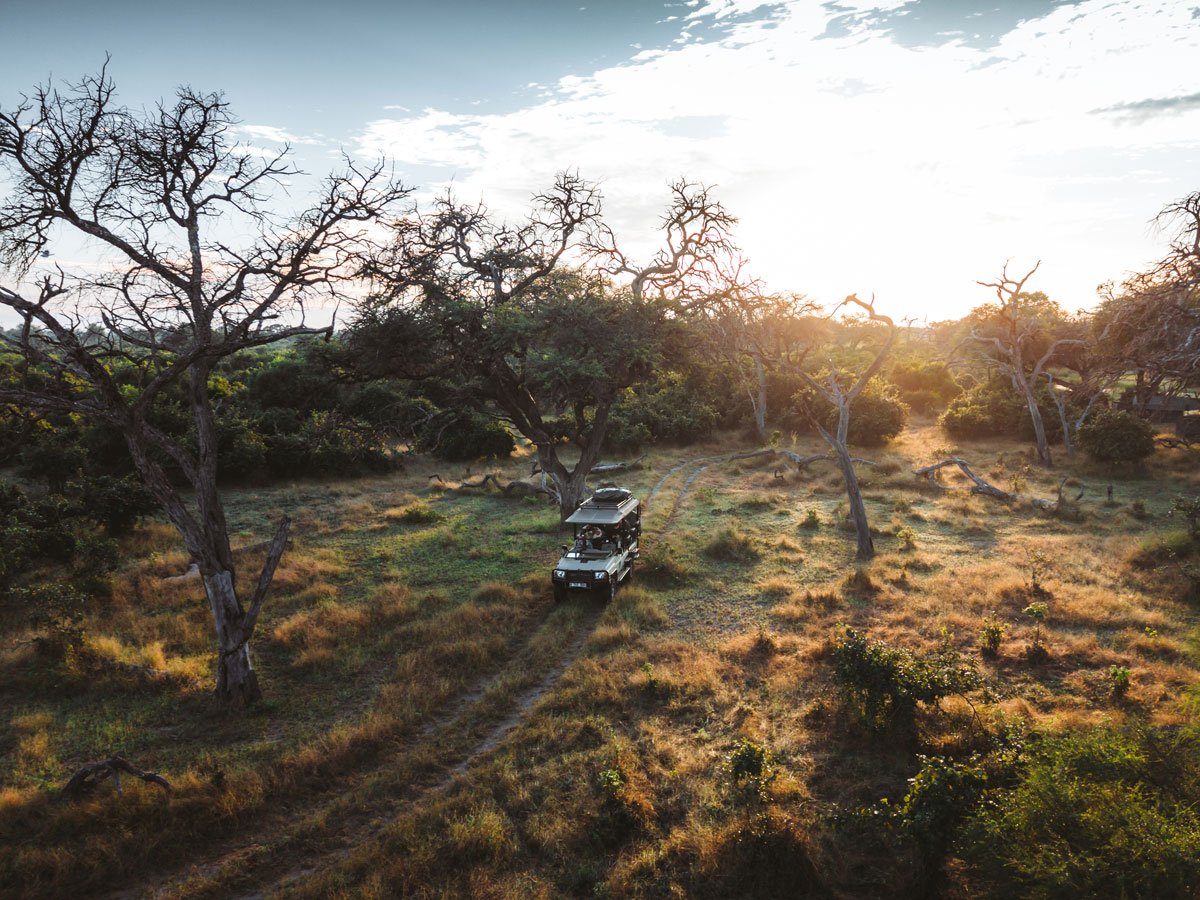
Moremi Game Reserve sits at the heart of the Okavango Delta, one of the last great inland water systems on earth. It is a place of extraordinary habitat diversity: permanent waterways and lily-covered lagoons give way to seasonal floodplains, mopane woodland and open grassland, sometimes within the space of a single morning drive. That variety of terrain is what makes it so consistently productive in the field.
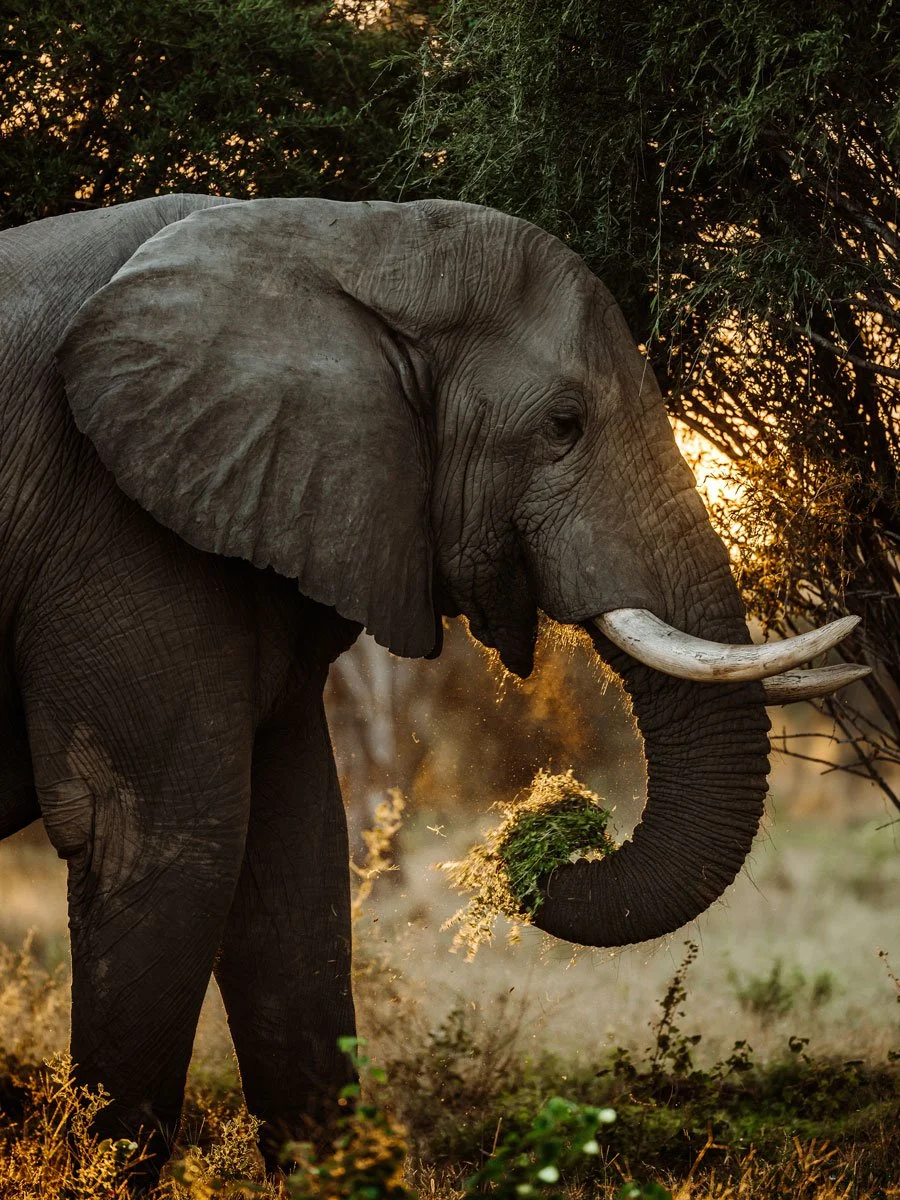
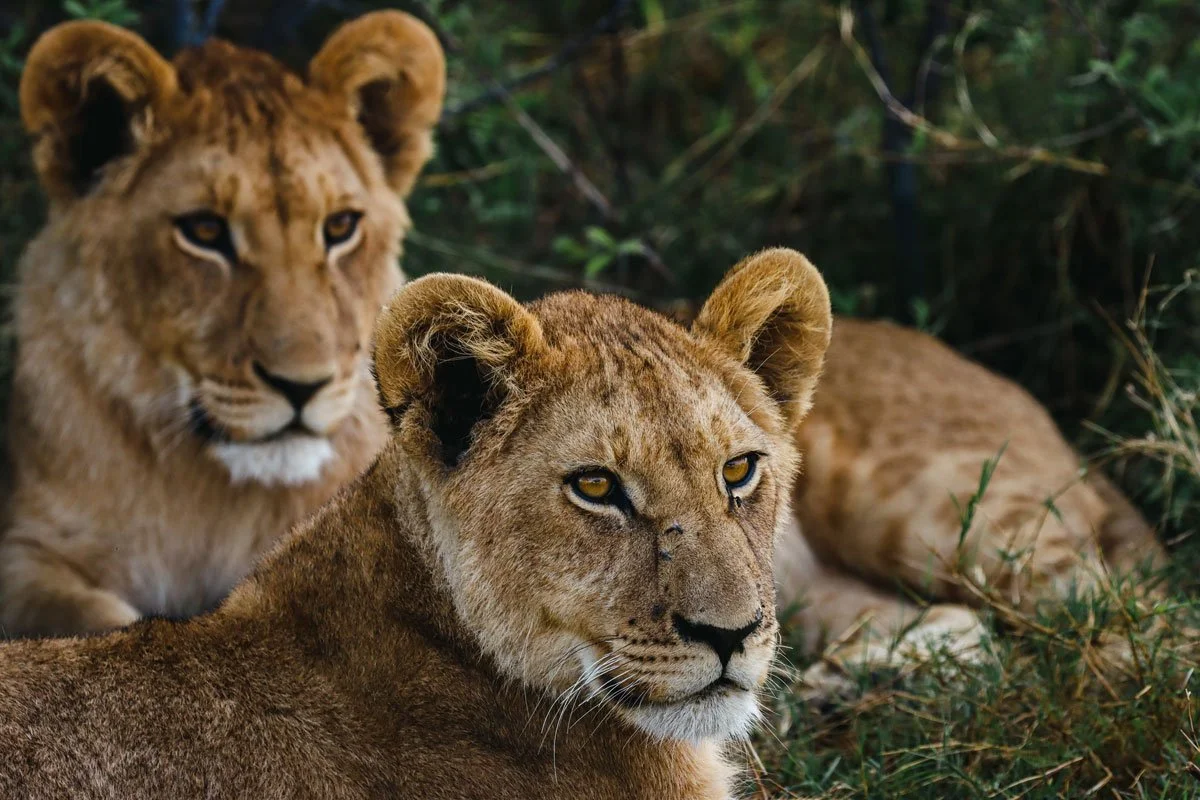
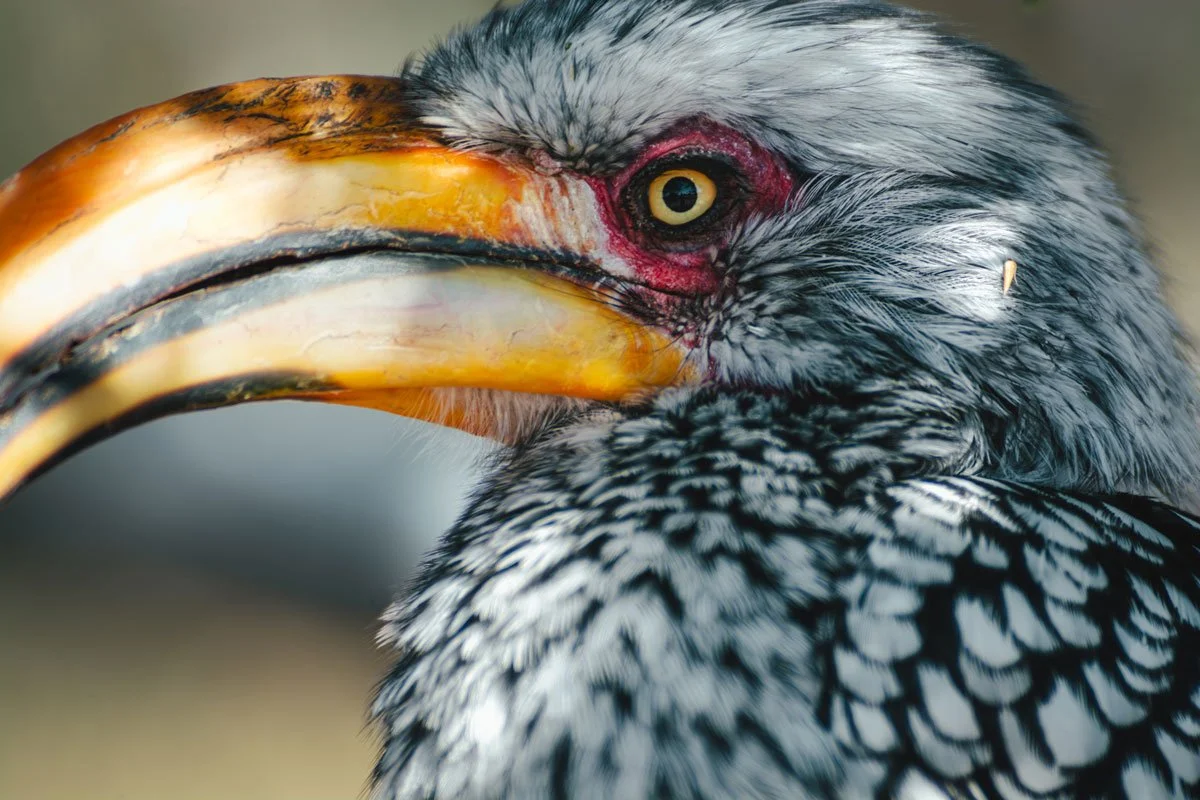
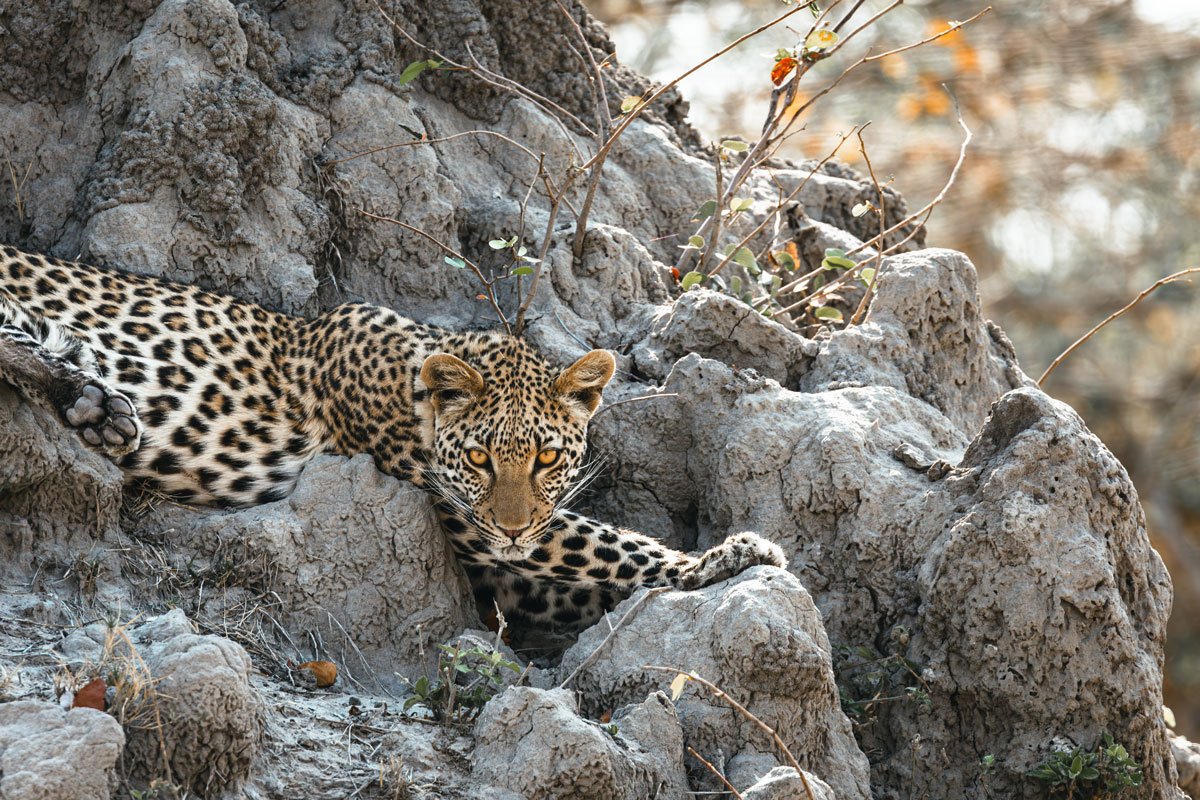
The wildlife here reflects that diversity. Moremi holds one of the highest concentrations of African wild dog on the continent, and the resident leopard population around the Xakanaxa area is among the most reliable anywhere in Africa. Lion prides move through regularly, elephant and buffalo are a constant presence, and the waterways support hippo, crocodile and some genuinely rare species including the semi-aquatic sitatunga and the red lechwe, which you'll often find wading through the shallows in large herds. For bird enthusiasts, Moremi is exceptional with over 500 species recorded, among them the Pel's fishing owl, saddle-billed stork, wattled crane, African skimmer and the slaty egret.
WILDLIFE TO EXPECT
Lion, Leopard, African Wild Dog, Elephant, Buffalo, Hippo, Nile Crocodile, Red Lechwe, Sitatunga, Tsessebe, Sable, Roan, Spotted-necked Otter, Pel's Fishing Owl, African Fish Eagle, Wattled Crane, Saddle-billed Stork, Slaty Egret, 500+ bird species
ACTIVITIES
Morning and evening game drives, boat safaris on the waterways (additional cost), birdwatching
Khwai Community Area
Okavango Delta | Days 4-7 | 4 nights
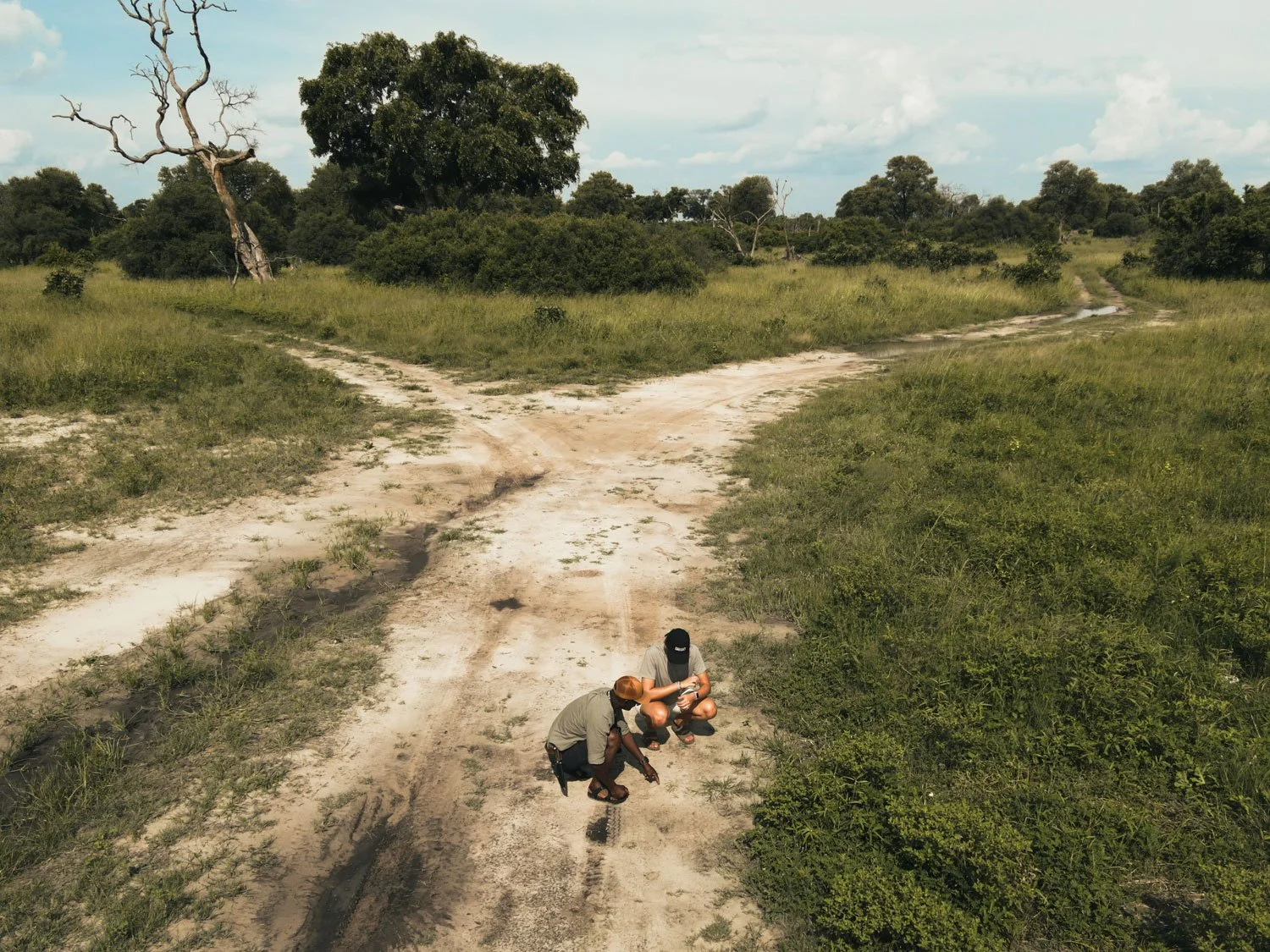
Khwai sits on the northeastern boundary of Moremi, where the reserve gives way to a community concession that operates with its own distinct character. The camp is positioned along the Mbudi Channel, one of the Delta's most wildlife-rich waterways, and the views from camp alone tell you immediately that you're somewhere special.
One of the things that makes Khwai genuinely different is the night drive. Unlike many areas in Botswana, night drives are permitted in the Khwai concession, and that opens up an entirely different dimension of the bush. The grasslands along the river are among the best habitat on the continent for serval, and after dark the area comes alive with genet, civet, porcupine, springhare and African wildcat. Walking safaris are also available here, offering a completely different relationship with the landscape, focused on tracks, behavior and the kind of detail that disappears at vehicle speed.
WILDLIFE TO EXPECT
Leopard, Lion, African Wild Dog, Elephant (large bulls), Hippo, Buffalo, Serval, Caracal, African Wildcat, Genet, Civet, Porcupine, Springhare, Diverse birdlife including African Skimmer and Wattled Crane
ACTIVITIES
Morning and evening game drives, night drives, walking safaris (animal tracking), mokoro rides, birdwatching, village visit on request
Savute Channel
Chobe National Park | Days 8-9 | 2 nights
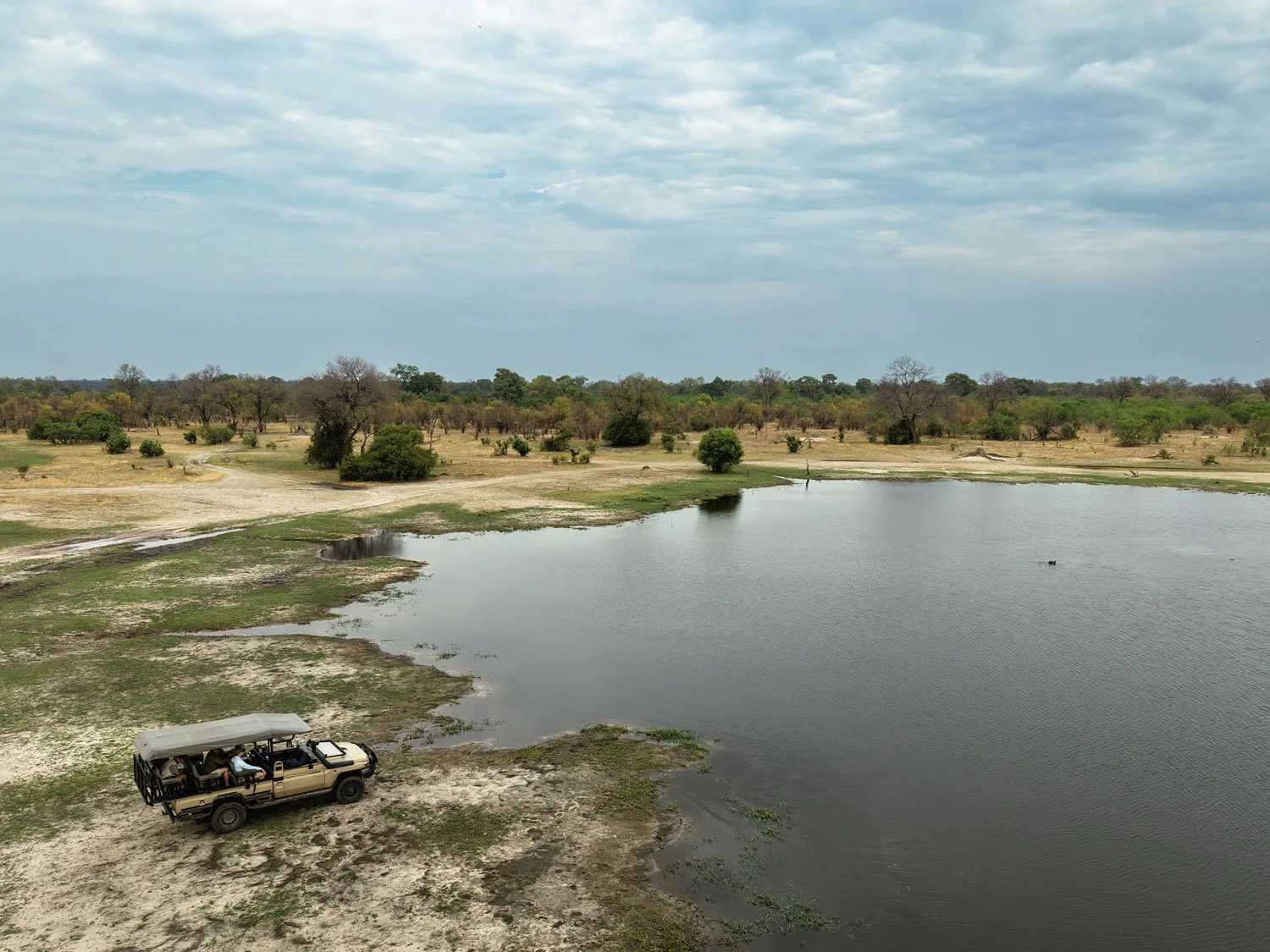
Savute occupies a remote corner of Chobe National Park, and it feels different from the moment you arrive. The landscape opens up into wide grasslands and ancient floodplains, rocky outcrops rising from the flat terrain, the Savute Channel cutting through country that has a rawness to it unlike anywhere else on this route.
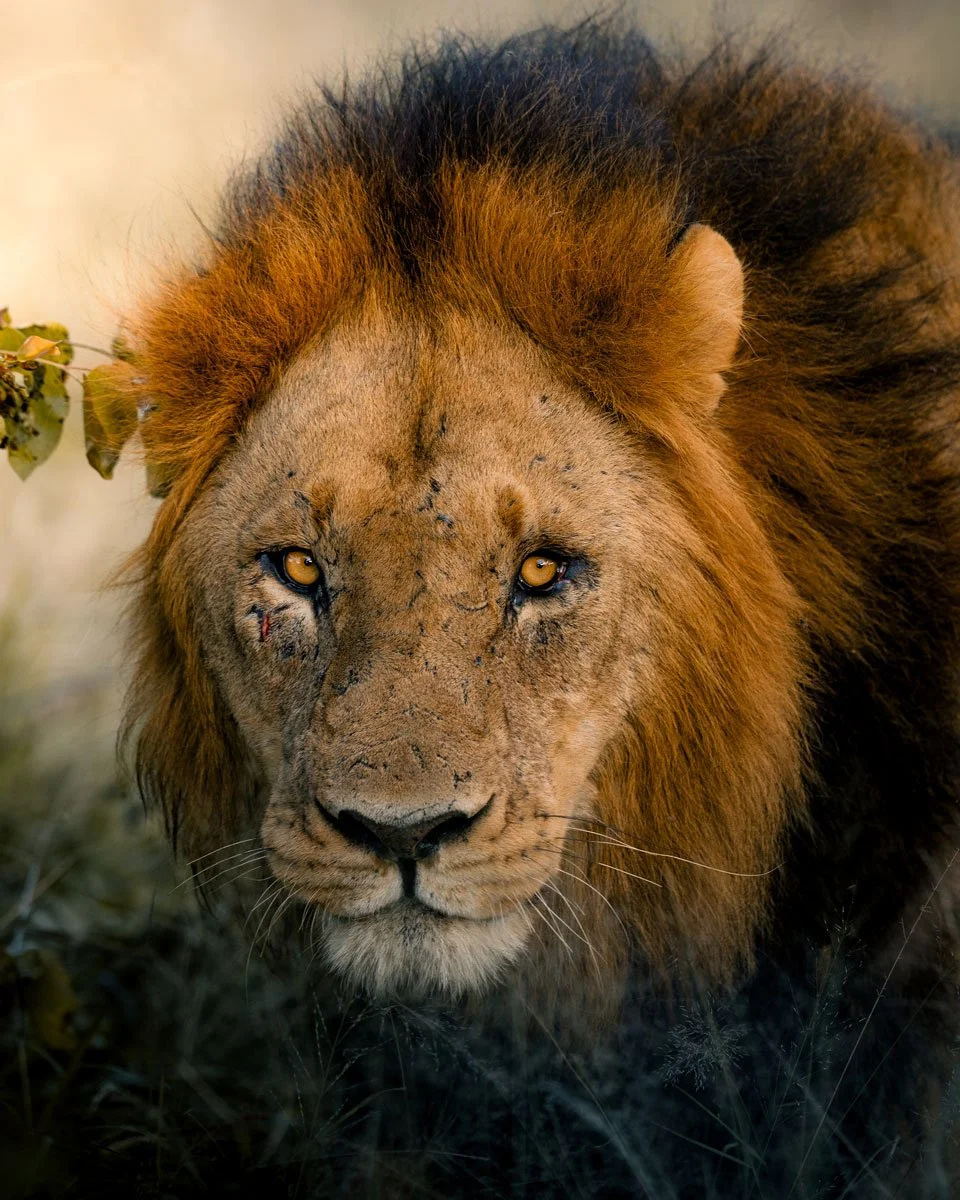
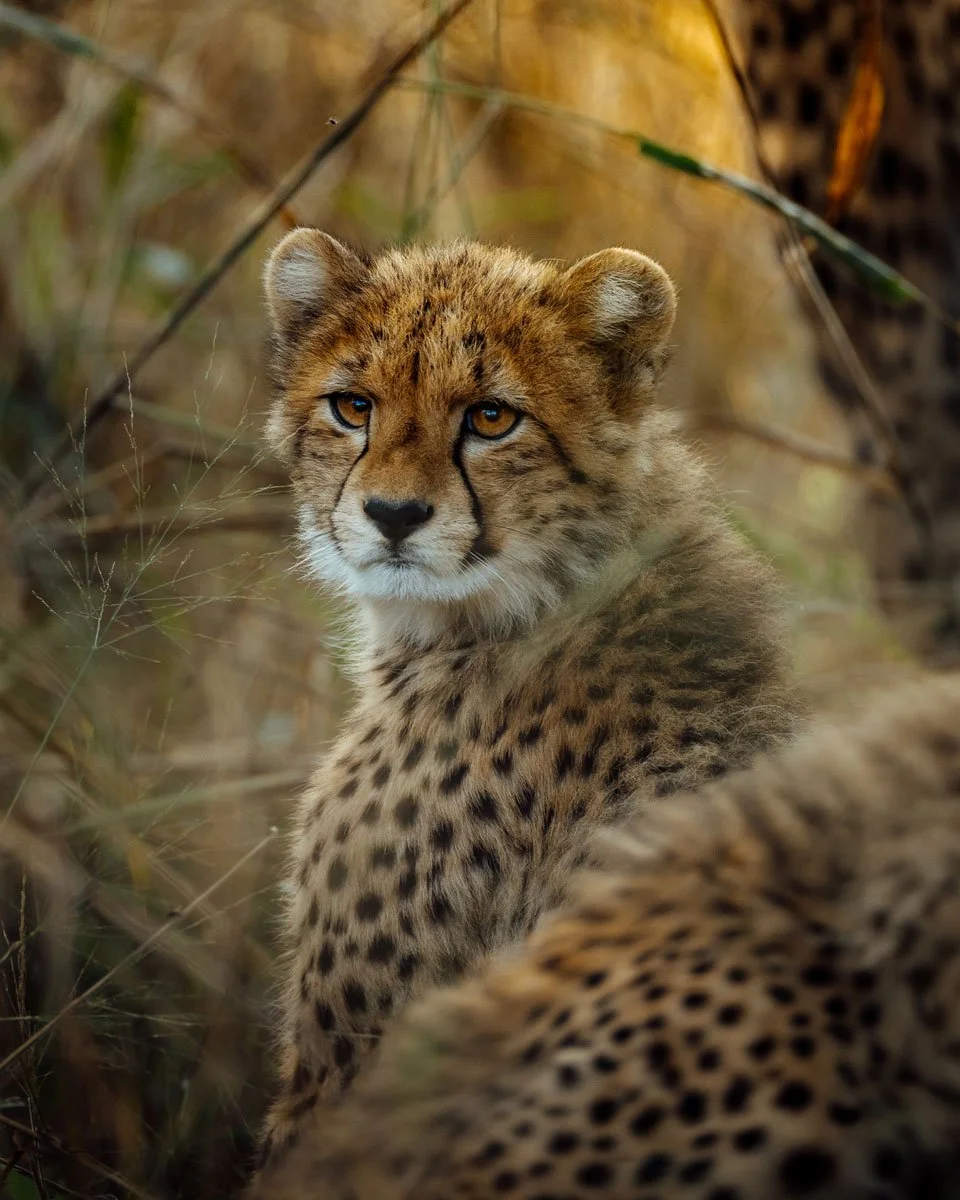
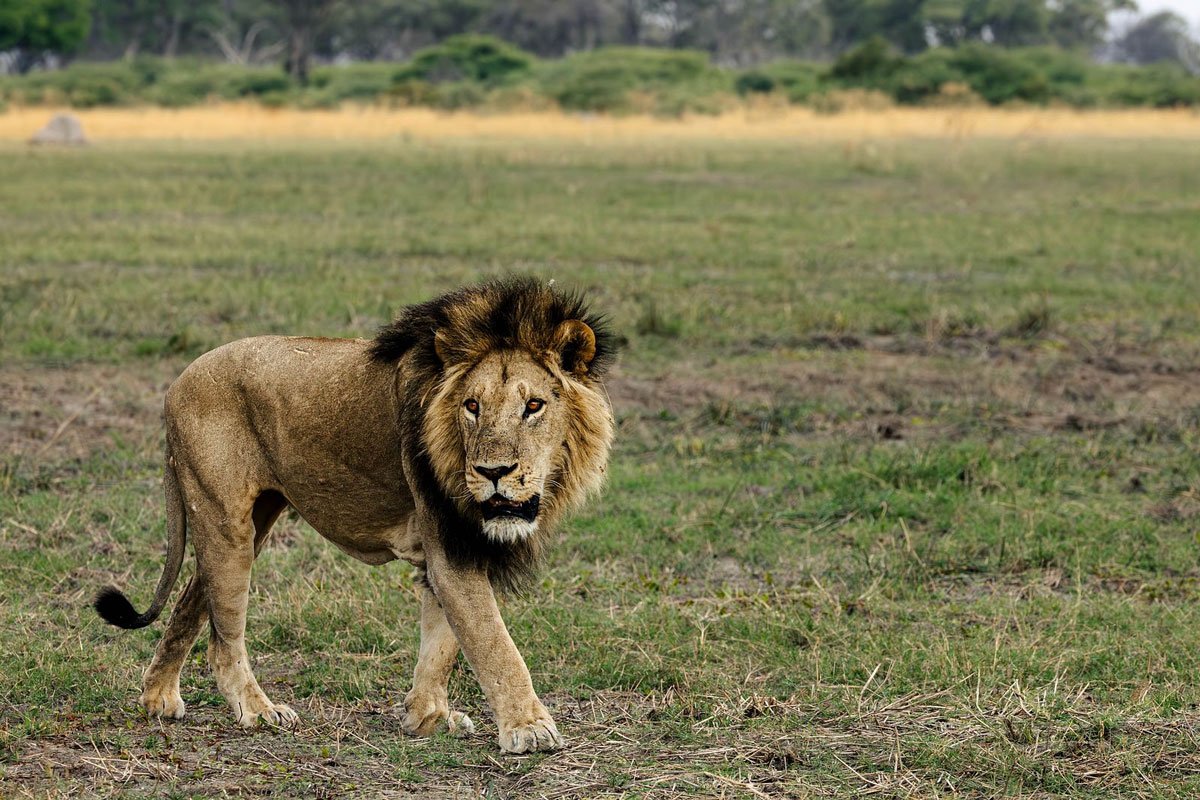
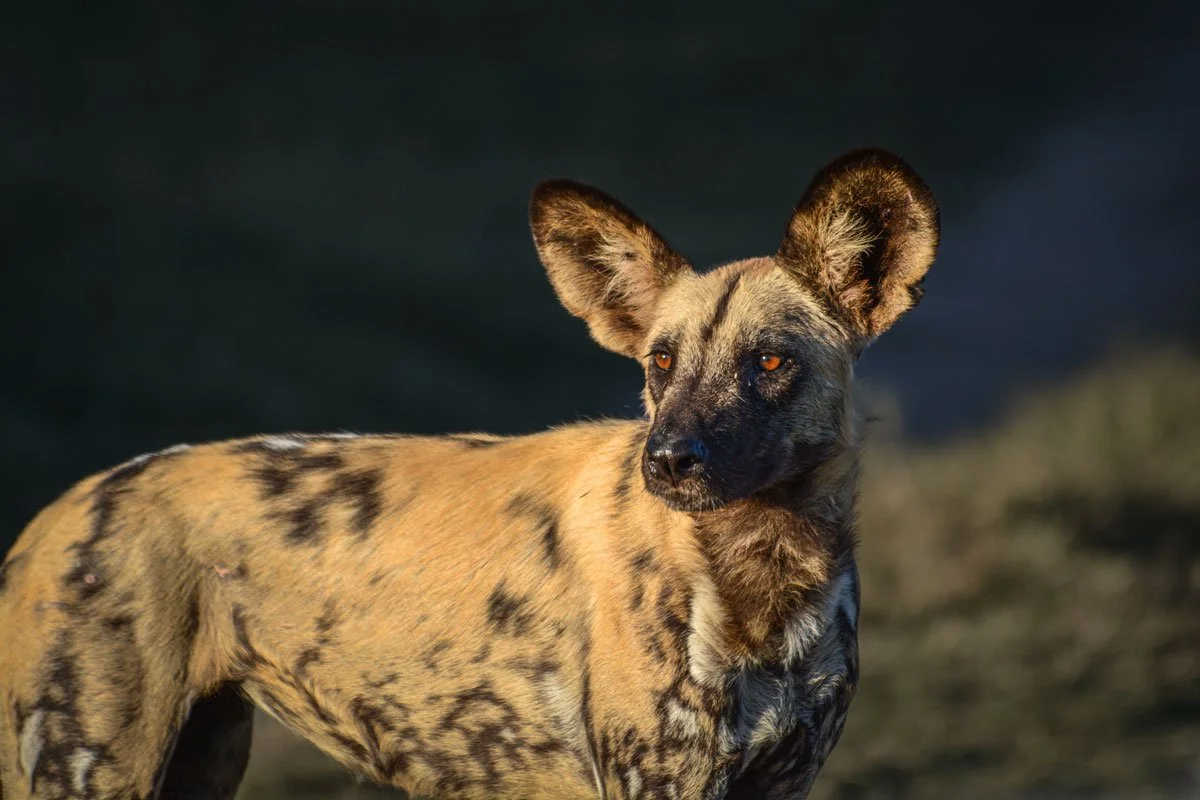
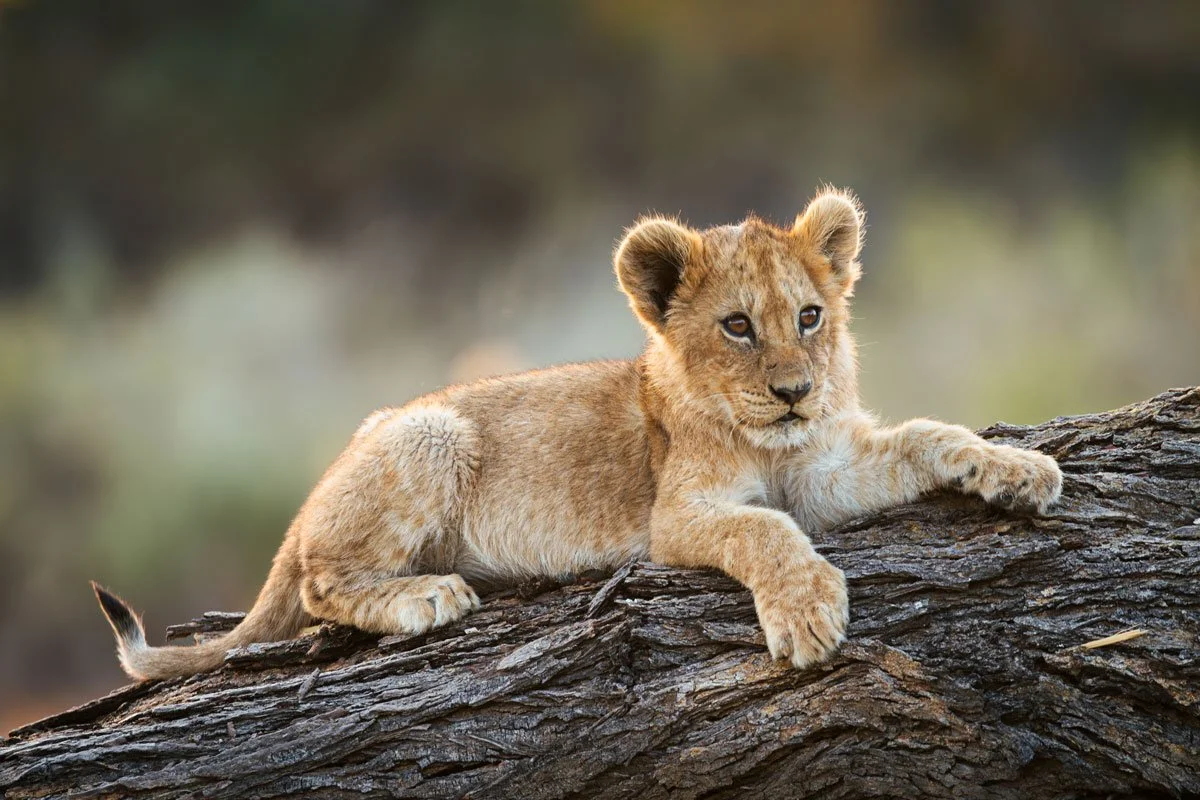
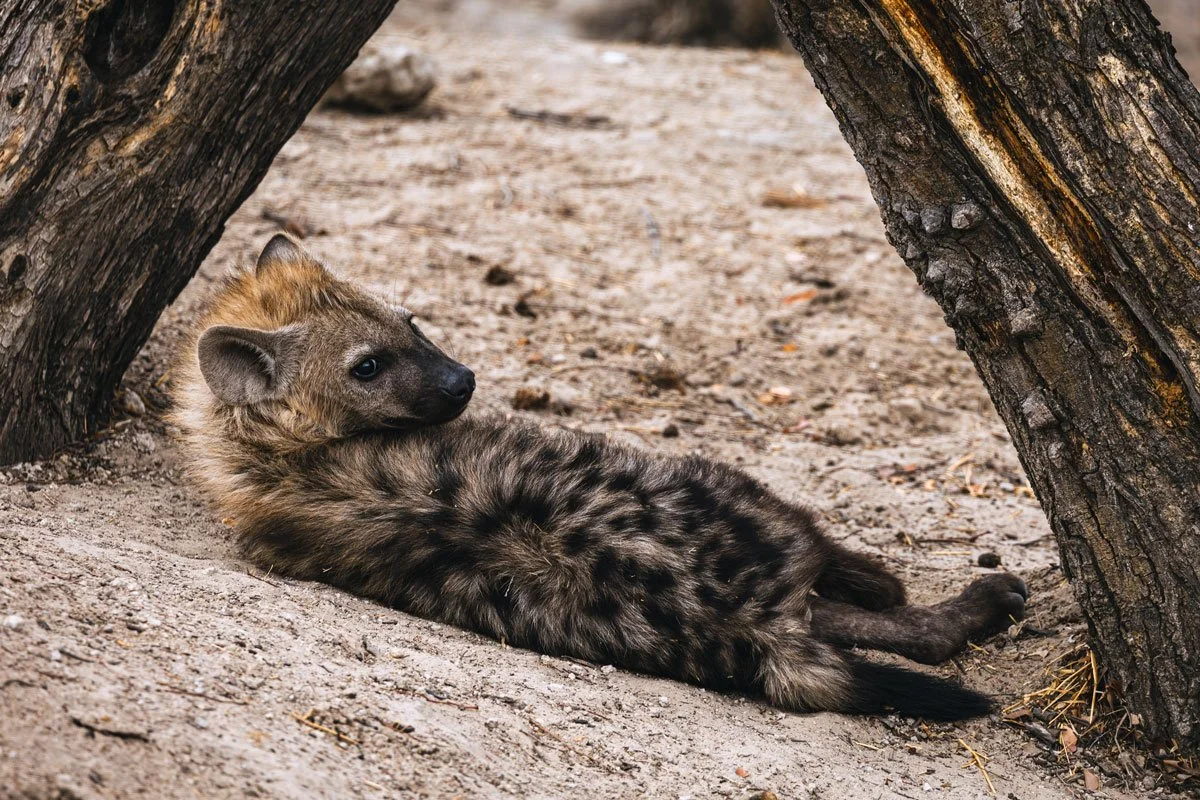
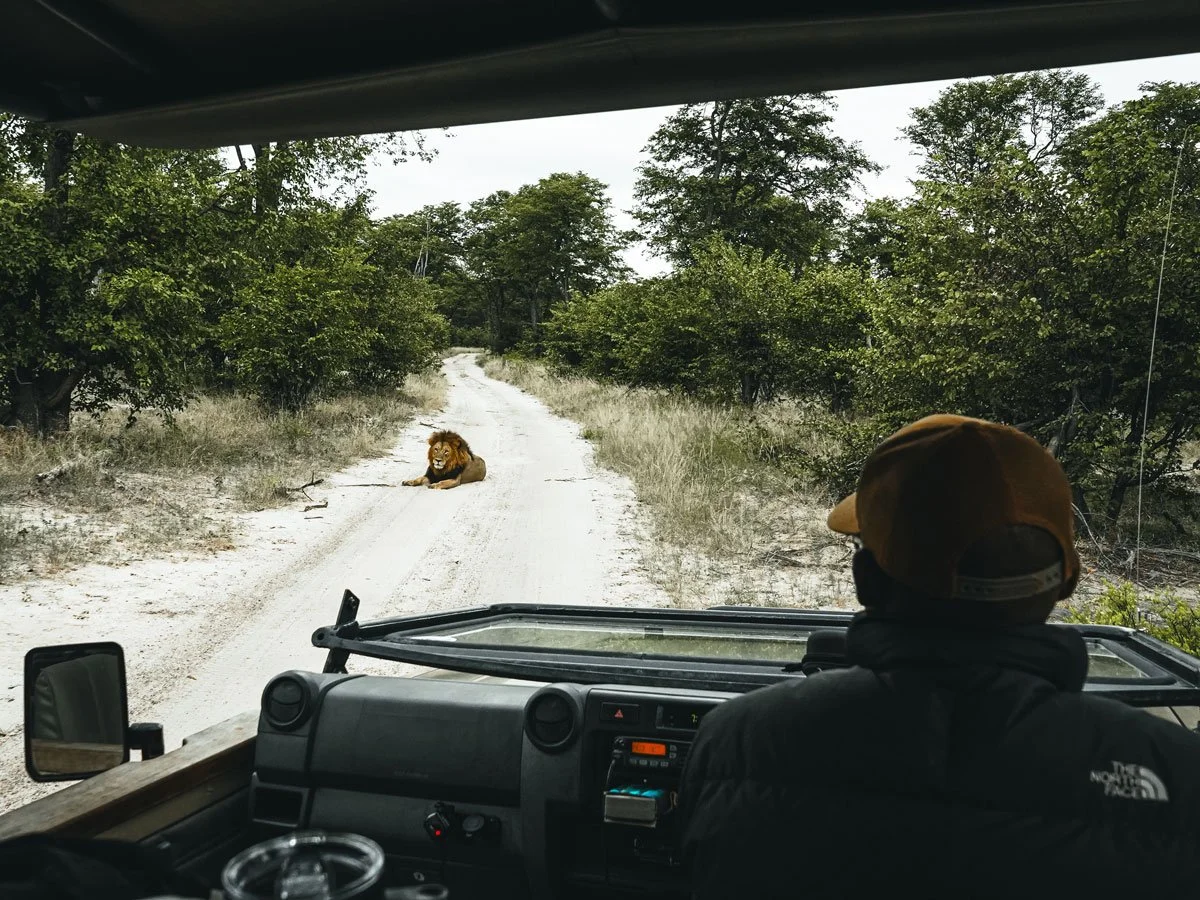
This is one of Africa's great predator areas. Lion prides here are large and well established, and the open terrain makes for exceptional visibility during game drives. Cheetah move through the grasslands, wild dog packs range across the area, and spotted hyena clans are a constant presence. Savute also carries history in a way that adds an unexpected dimension to the experience. Scattered among the rocky hills are San rock paintings thousands of years old, hunting scenes and animals etched into stone by the area's earliest inhabitants. Standing in front of them, deep in the bush, you get a very different sense of what this landscape has always been.
WILDLIFE TO EXPECT
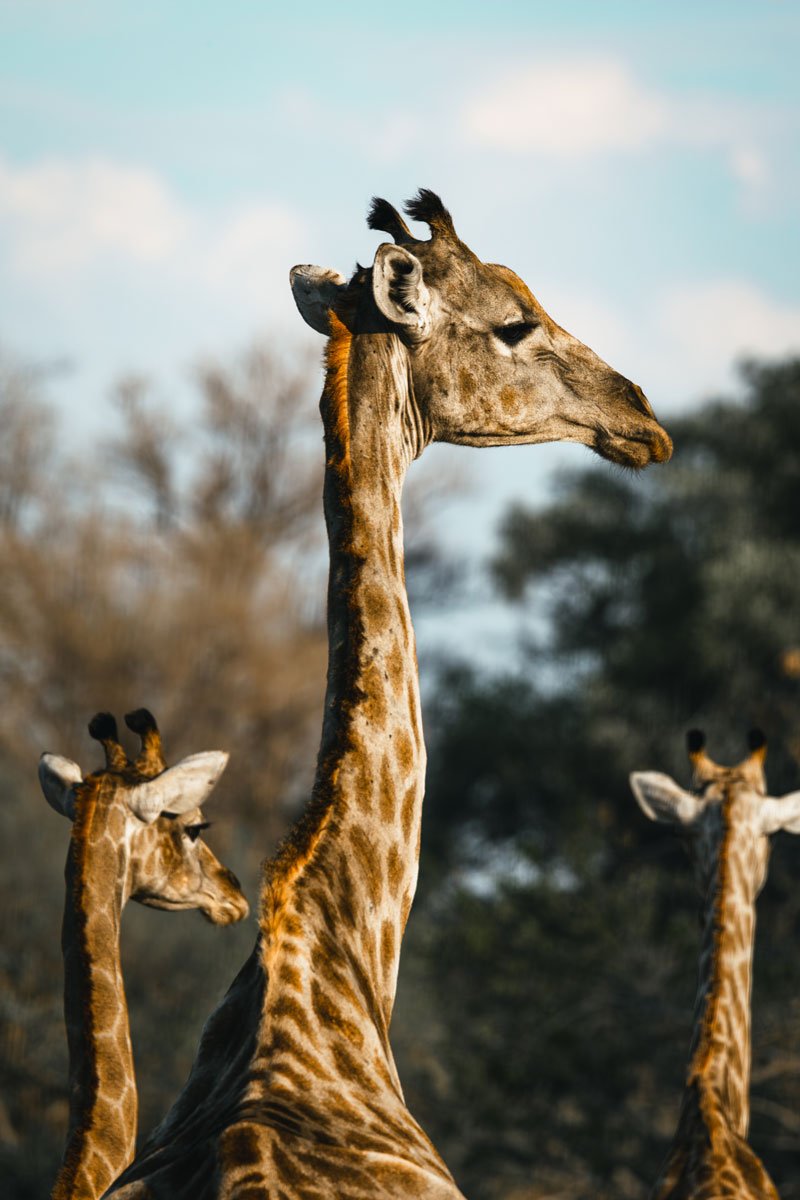
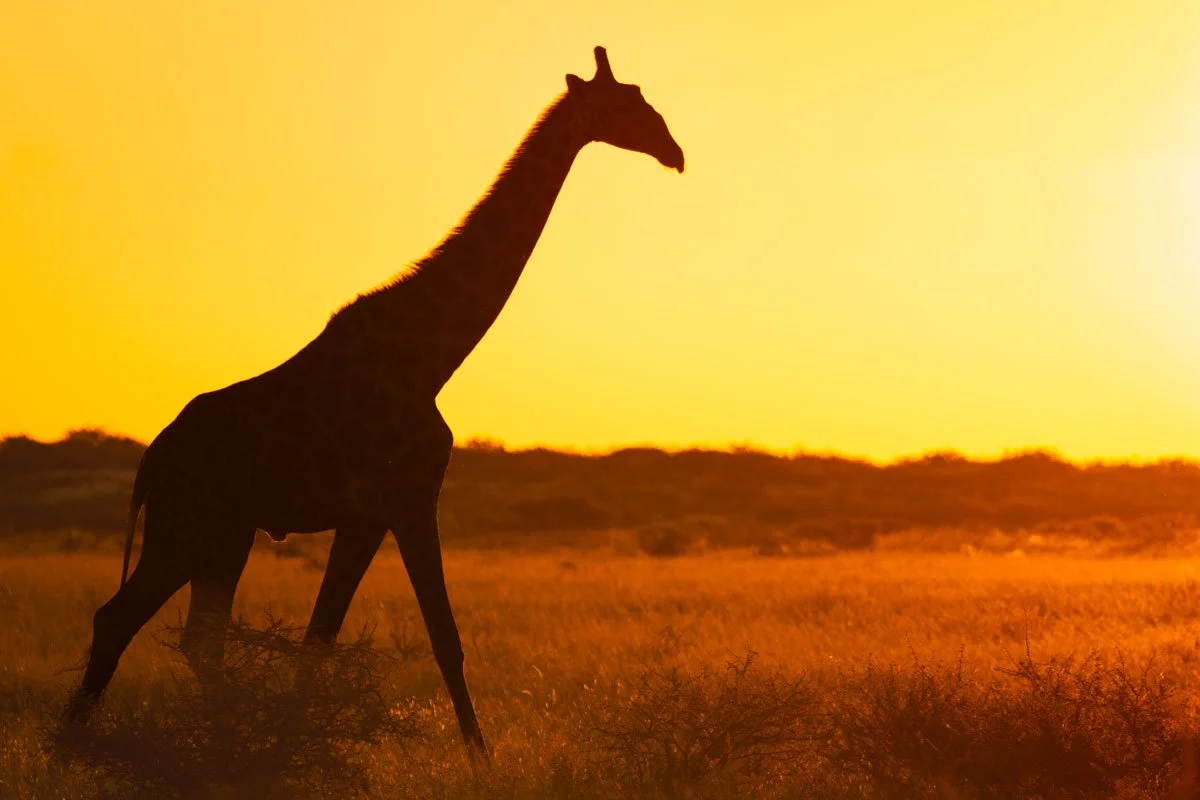
Lion (large prides), Cheetah, African Wild Dog, Spotted Hyena, Elephant (large bulls), Buffalo, Giraffe, Zebra, Wildebeest, Kori Bustard, Secretary Bird, Bateleur Eagle, Bee-eaters, Lilac-breasted Roller
ACTIVITIES
Game drives, San rock art excursion, birdwatching
For photographers. And everyone else.
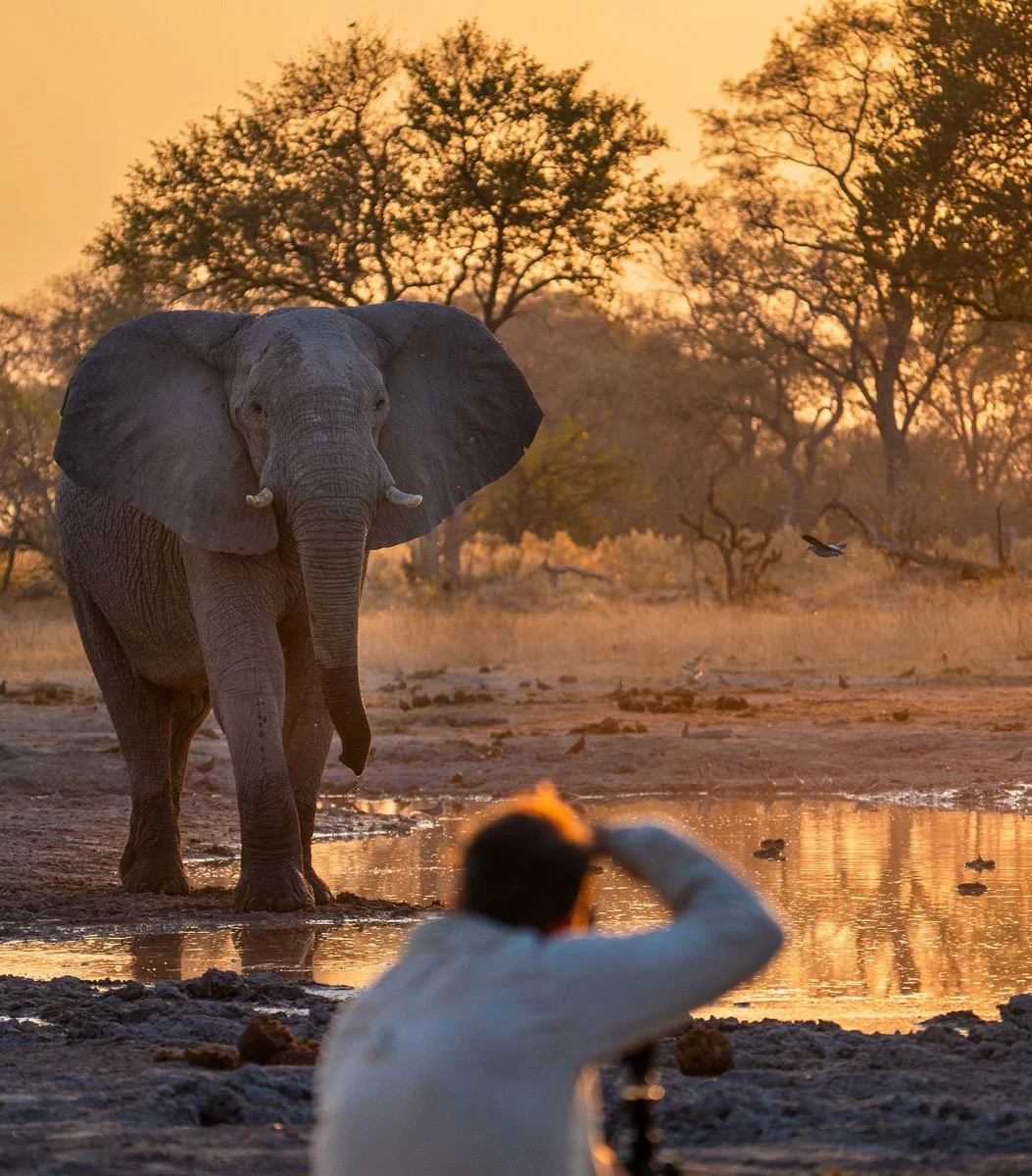
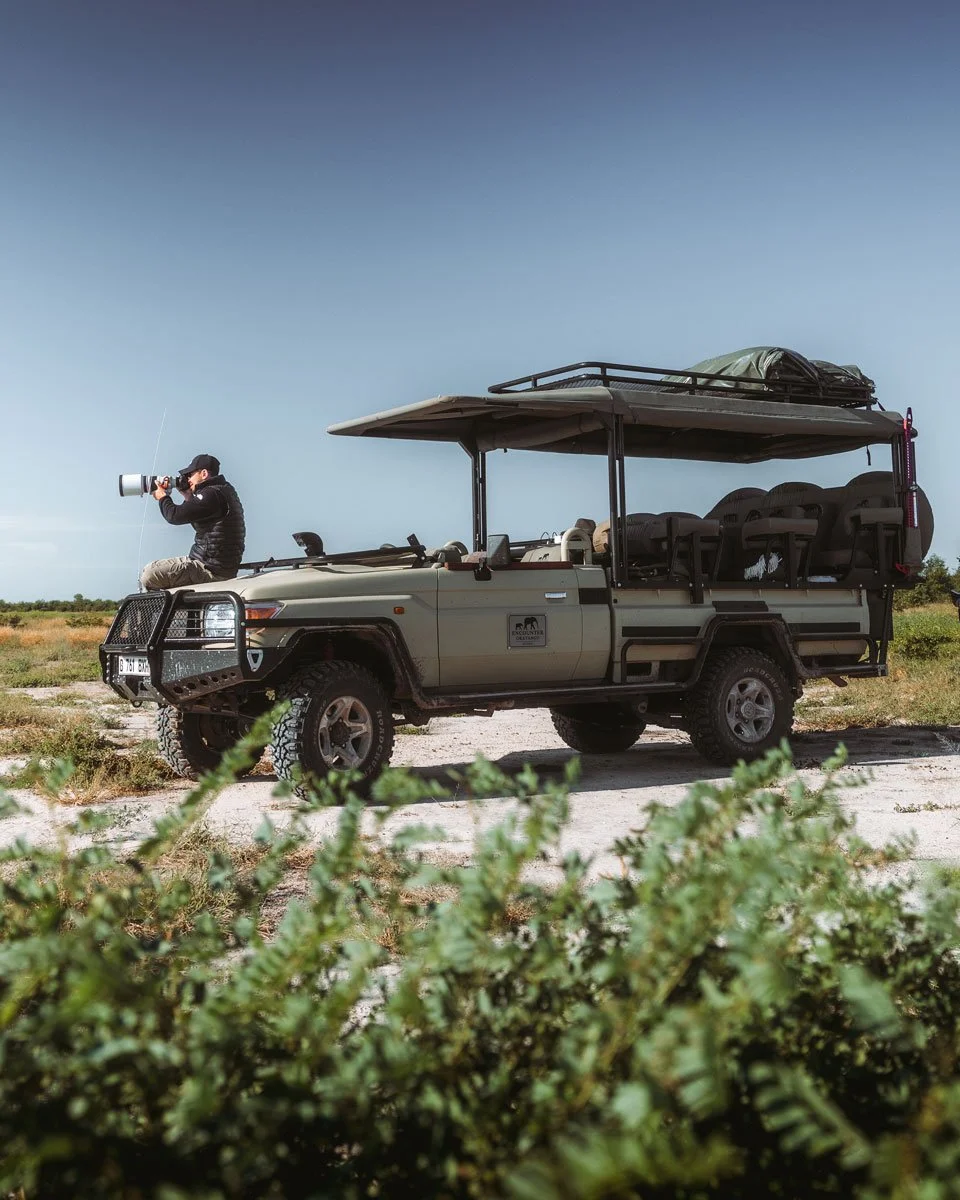
The combination of ecosystems, species diversity and quality of light across these three areas creates conditions that serious wildlife photographers travel specifically to find. Open terrain, waterways, dense woodland and vast grasslands, each one demanding a different eye and offering something the others don't.
The mobile camp format and small group size mean that when something is happening in the field, we can position well and stay as long as we need to.
Whether you're shooting with a professional telephoto setup or a smartphone, the opportunities here are real. Wildlife photography is as much about being in the right place at the right time as it is about gear, and that's exactly what this trip is built around. If you're newer to wildlife photography, you'll come home with images that surprise you. If you've been doing this for years, you'll find the kind of field time and subject diversity that's genuinely hard to replicate elsewhere.
And if you don't own a camera at all, none of this changes what's possible. Watching a predator move through open grassland at first light, sitting with a herd of elephant at a waterhole, being present for the kind of moment that the natural world occasionally offers, none of that requires a lens. It just requires showing up.
The Camp
Where you’ll sleep
The camp is run by a dedicated crew who handle everything behind the scenes so that your time and energy stay where they belong: in the field.
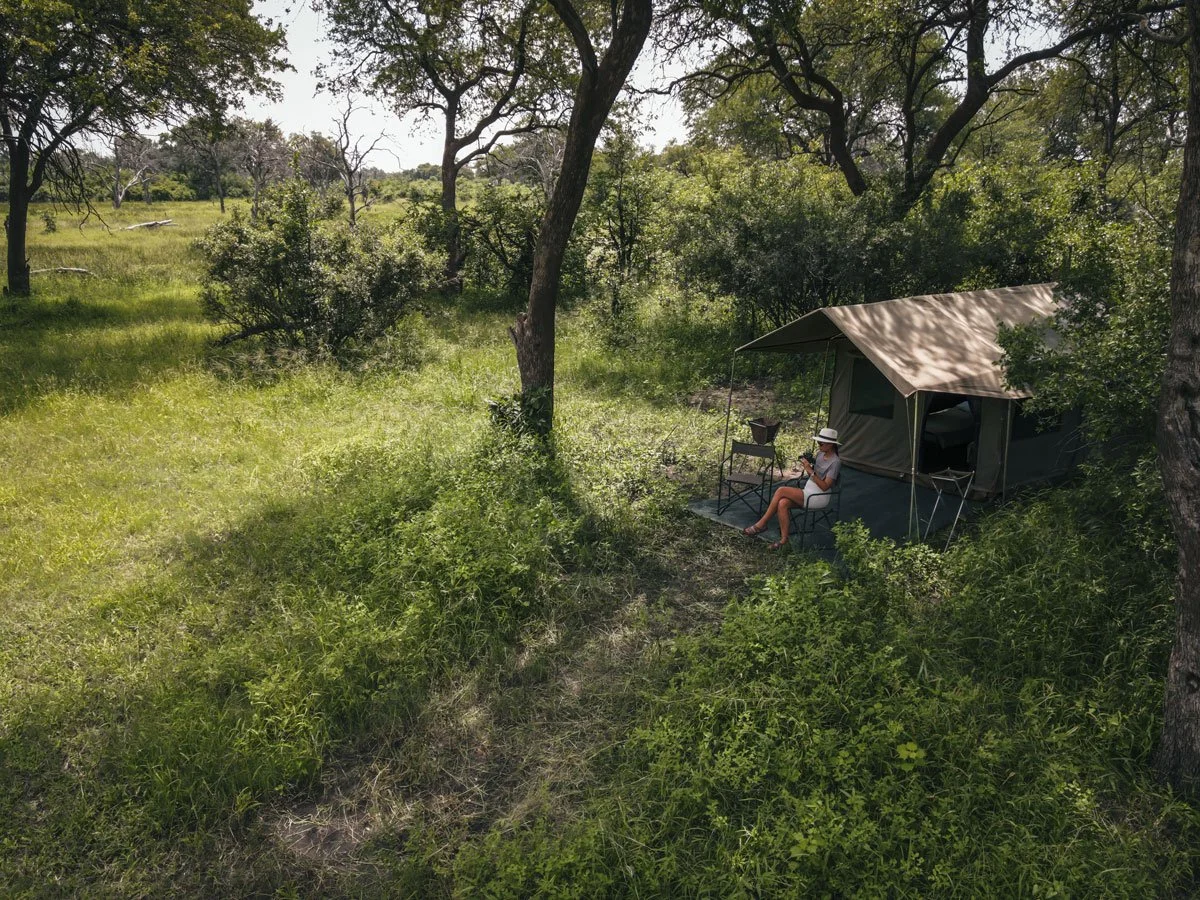
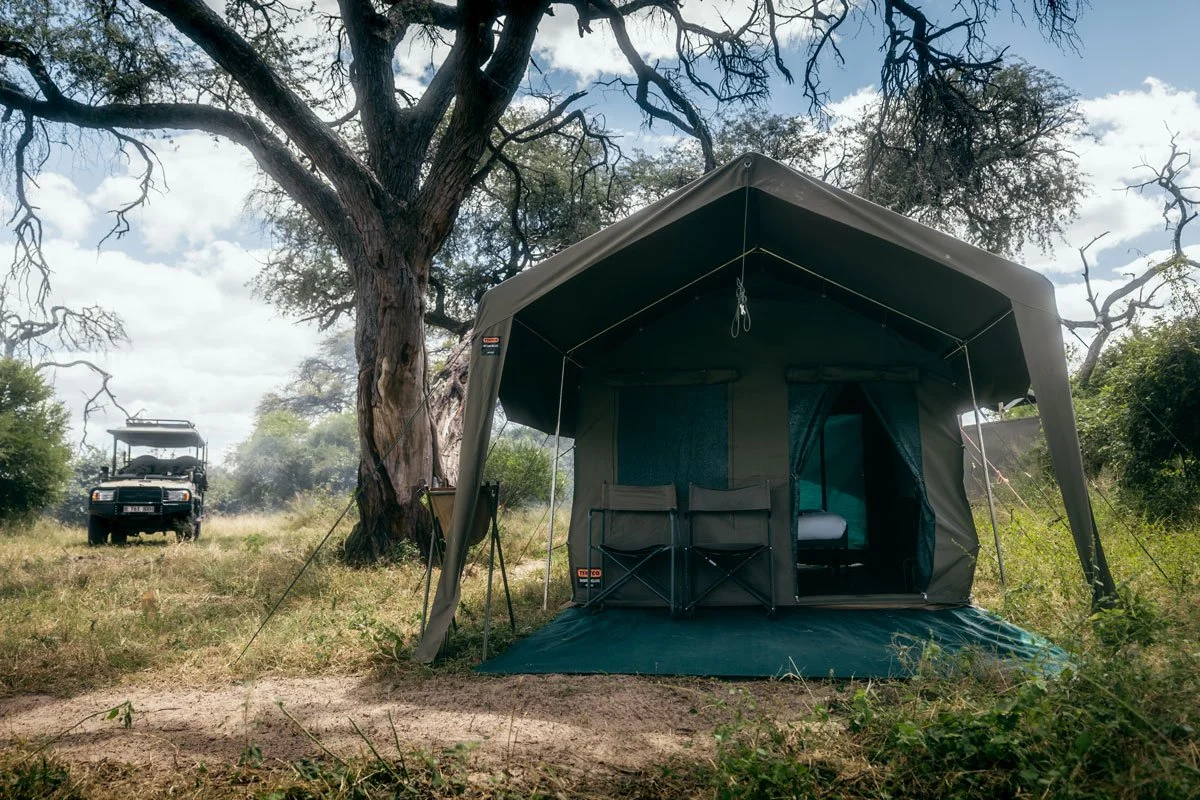
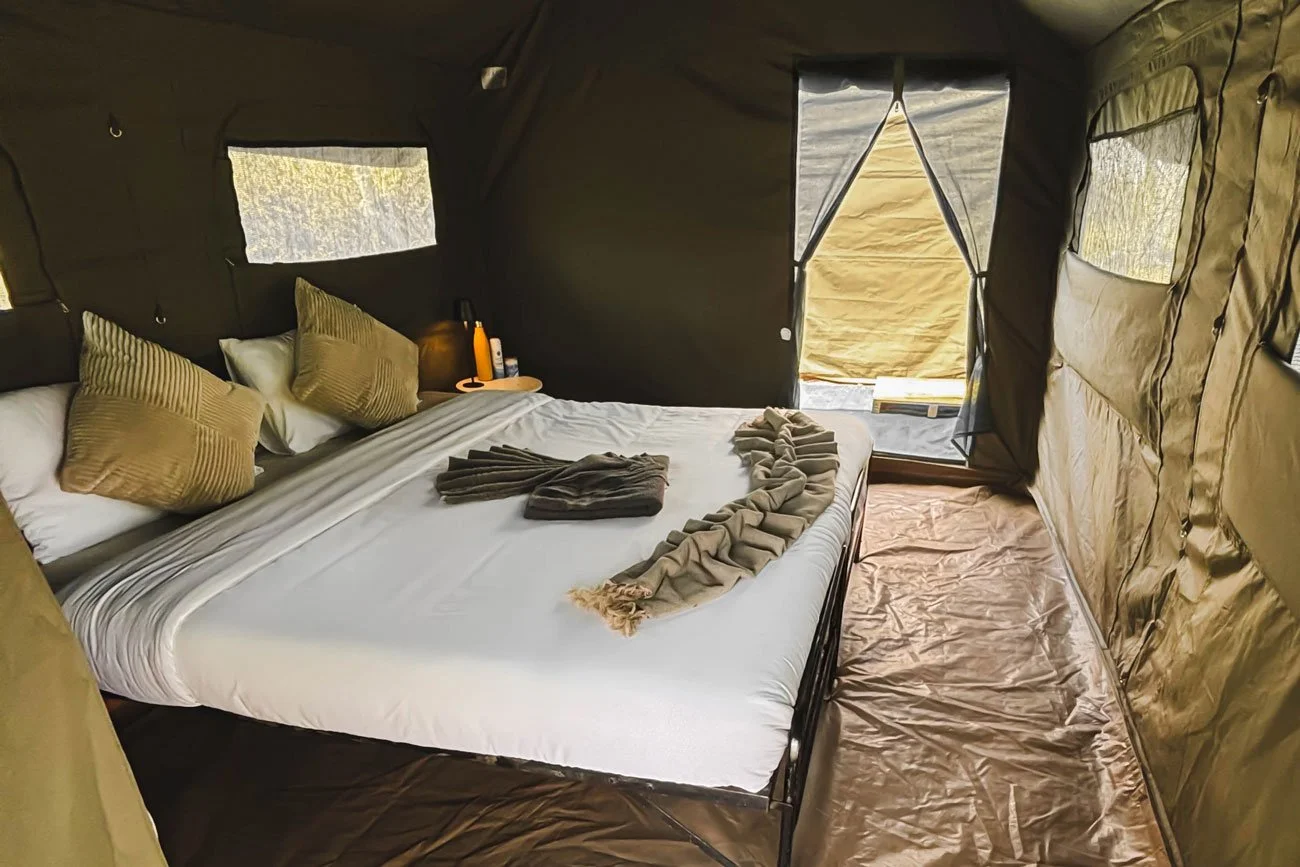
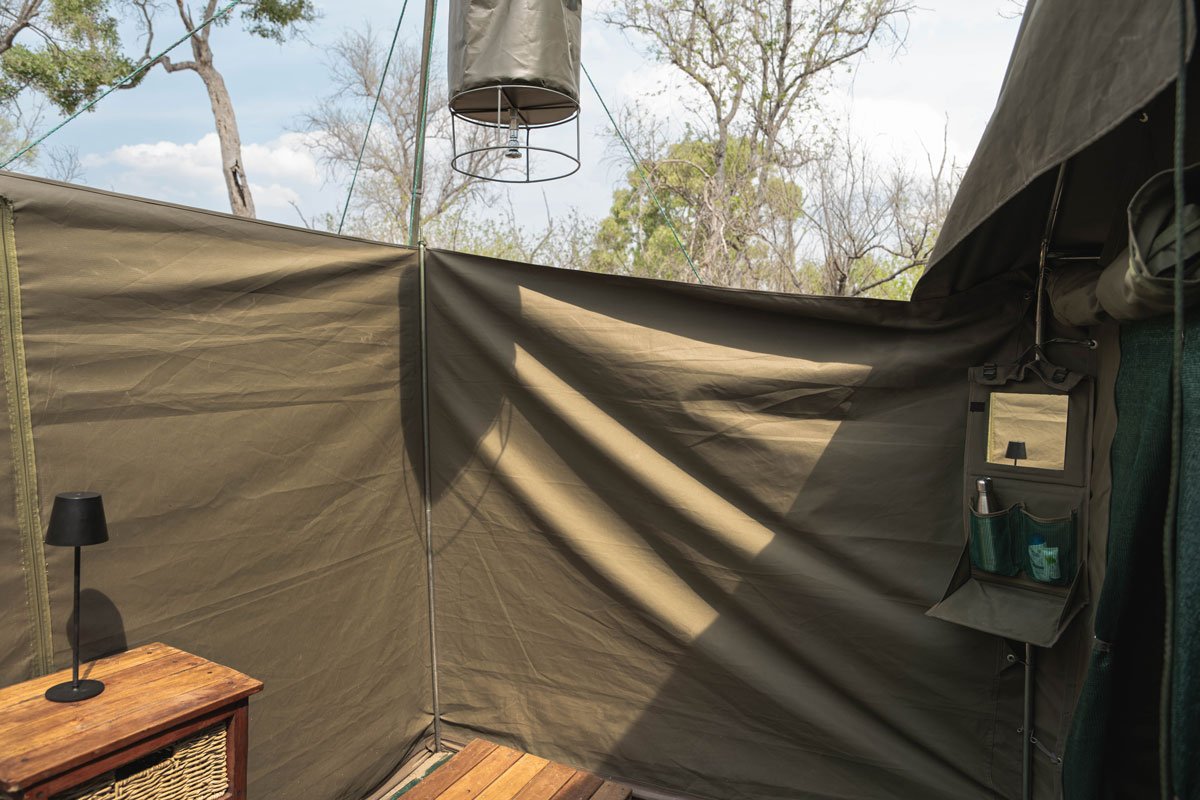
Accommodation is in spacious Meru-style canvas tents, each set up for double occupancy with two individual beds, en-suite shower, eco-toilet and a private shaded veranda that looks directly into the wilderness. A communal dining and bar area is where the group comes together for meals, and where the best conversations of the trip tend to happen.
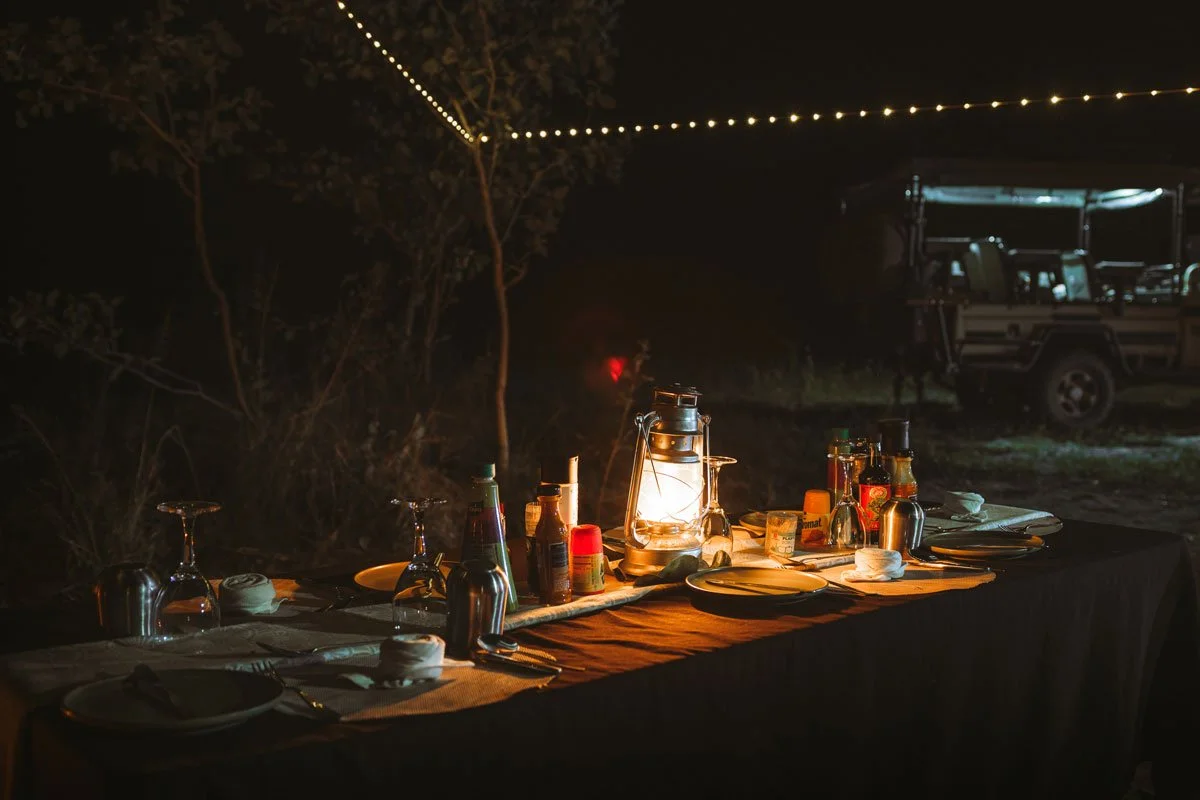
Food is prepared fresh daily by a private chef, eaten outdoors, and taken seriously. The camp runs on Starlink, so connectivity is available when you need it, though most people find they reach for their phone less than they expected.
This is not a luxury lodge. It is something better: a well-run, comfortable base camp in the middle of some of Africa's wildest terrain, from which everything else becomes possible.
What’s Included
Not included
International flights to and from Maun
Pre-trip accommodation in Maun (an arrival night prior to departure is required)
Botswana visa if required
Travel and medical insurance
Tips and gratuities
Motorised boat safaris (available at additional cost)
Helicopter scenic flights (available at additional cost)
Items of a personal nature
Included
All accommodation (8 nights, Meru-style canvas tents)
All meals in camp
All drinks: beer, wine, soft drinks, water, tea, coffee and local spirits
2 scheduled safari activities daily
Guided game drives, walking safaris, night drives and mokoro rides
Ground transfers between all camps and back to Maun
All park and concession fees
Government bed levy
Starlink WiFi at all camps
San rock art excursion at Savute
FAQs
-
Absolutely. No prior safari experience is required. What matters is a genuine curiosity about the natural world and a willingness to embrace the expedition format. The pace is designed to be immersive rather than demanding, and the small group size means there is always space to ask questions and learn as you go.
-
Not at all. This trip is as rewarding for someone with no camera as it is for a seasoned wildlife photographer. If you do want to shoot, the small group format and experienced guiding give you real opportunities in the field. If you don't, the experience speaks entirely for itself.
-
Not at all. This is a set departure trip, which means the group of up to six guests is made up of individuals and couples who have each booked independently. You do not need to come with friends or organize a group of your own. Solo travelers are very welcome and a big part of how these trips work. The only thing to keep in mind is that accommodation is in shared tents with two individual beds, so solo travelers will be paired with another guest of the same gender. Other than that, everyone joins as individuals and the group forms naturally around a shared interest in wildlife and the outdoors. That dynamic, in our experience, tends to produce some of the best travel companions you'll find anywhere.
-
Spacious Meru-style canvas tents with a proper fixed-frame bed, quality cotton linens, a bedside lamp, an en-suite bucket shower, eco-toilet and a private shaded veranda. It is genuine bush camping done well. Comfortable and functional, with nothing between you and the sounds of the African wilderness.
-
Lightweight, neutral-coloured clothing for game drives, a warm layer for early mornings and evenings which can be cold in April and May, sturdy walking shoes, sun protection, a headlamp and any personal medication. A full packing list will be sent to all confirmed guests ahead of departure.
-
Maun International Airport (MUB) has direct connections from Johannesburg and Cape Town. Most international travelers connect through Johannesburg OR Tambo International Airport. We recommend arriving in Maun the evening before the trip departs and arranging accommodation independently for that night.
-
The drive from Savute back to Maun takes approximately 6 hours on dirt and sand tracks. Depending on the morning drive and departure time, guests can expect to arrive in Maun in the late afternoon. We strongly recommend not booking onward flights until the following morning.
-
Malaria prophylaxis is strongly recommended for all guests. Yellow fever vaccination may be required depending on your country of departure. Travel and medical insurance covering emergency evacuation is mandatory. We recommend consulting your doctor or a travel health clinic well in advance of departure.
-
Most nationalities do not require a visa for stays under 90 days, but requirements vary by passport. Guests are responsible for verifying and arranging their own entry documentation.
Still have questions before booking?
That's completely normal, these are significant trips and we want you to feel confident before committing. Send us a message and we'll get back to you as soon as possible. If it's easier, we can also jump on a quick call to talk through any details.